
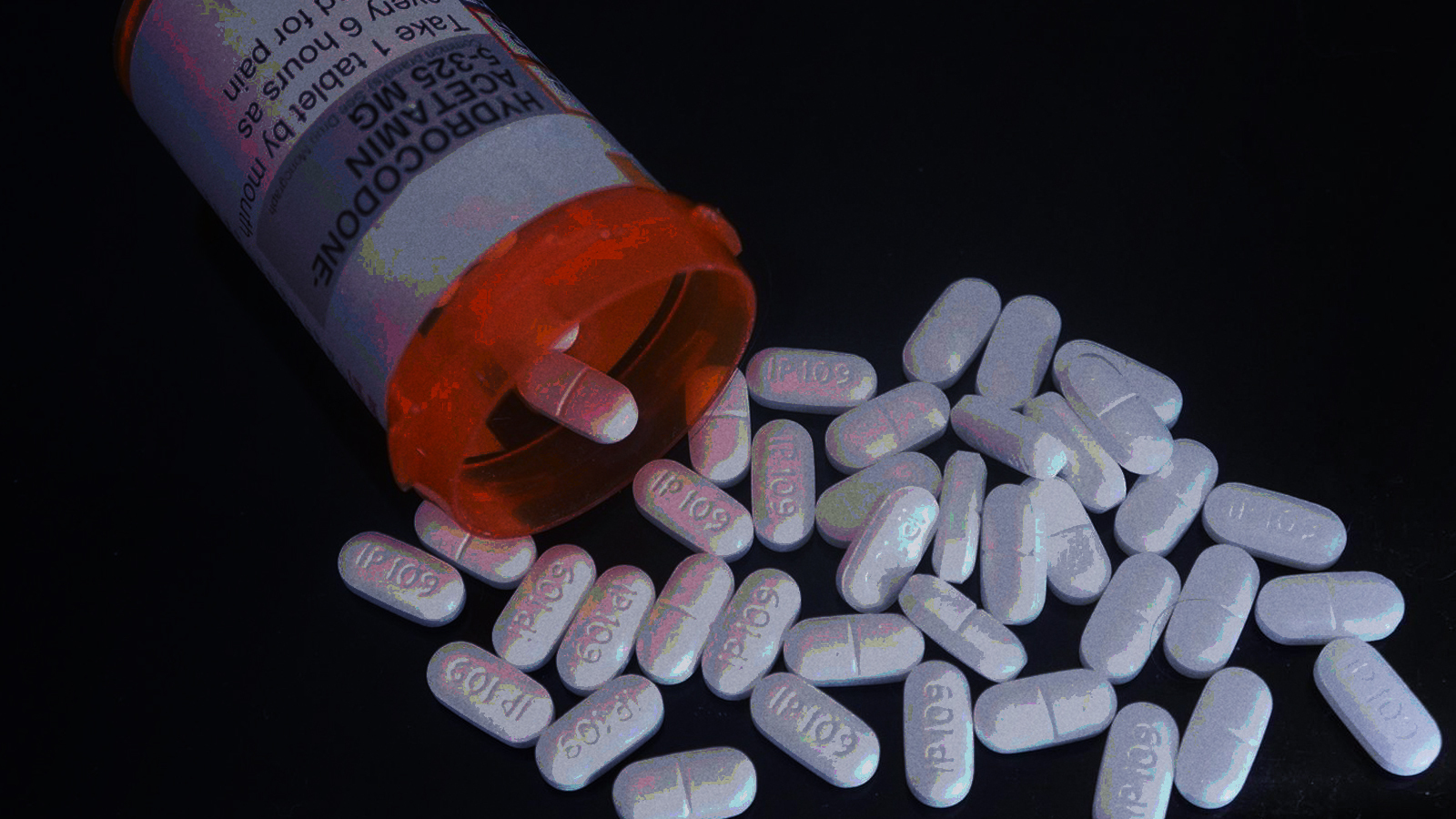

Hydrocodone is an opioid found in prescription pain medicines like Vicodin®, Norco®, and Lortab®. Regular use can lead to physical dependence, so the safest way to come off hydrocodone is with a prescriber who can plan a gradual taper or, when appropriate, add medication to ease uncomfortable symptoms and cravings. Below, we cover what withdrawal feels like, how long it lasts, how to detox safely, and how online treatment through Ophelia can help. If you’re reading this for someone you care about, everything here applies to them too.
What is hydrocodone withdrawal?
Hydrocodone withdrawal happens when you cut back on taking the medication or stop taking it after your body has adapted to your regular dose. When you reduce or stop taking hydrocodone, your body needs time to adjust to not having it anymore. This physical dependence on hydrocodone is a biological response. It can happen even if you took your medication as prescribed, and it doesn’t necessarily mean you have opioid use disorder (OUD).
Vicodin, Norco, and Lortab all contain hydrocodone, so withdrawal from any of these medications is considered hydrocodone withdrawal. While not usually life-threatening, you shouldn’t try to manage withdrawal without support. Symptoms like vomiting and diarrhea can lead to dehydration, and returning to a previous dose after your tolerance has dropped can raise your risk of overdose. Clinician-led treatment, including medication when appropriate, can help you safely manage withdrawal and reduce your likelihood of returning to use.
Hydrocodone withdrawal symptoms
Hydrocodone withdrawal symptoms look the same whether you’re coming off Vicodin, Norco, or Lortab. They range from mild to intense, often coming in waves. Emotional and flu-like symptoms tend to arrive first. These early symptoms are usually followed by stronger physical symptoms that become more noticeable as withdrawal reaches its peak.
Early symptoms
- Anxiety, restlessness, and irritability
- Muscle and bone aches
- Runny nose and watery eyes
- Sweating and yawning
- Trouble sleeping
- Early cravings
Peak symptoms
- Nausea
- Vomiting and diarrhea
- Stomach cramps
- Goosebumps and chills
- Dilated pupils
- Faster heart rate and higher blood pressure
- Strong cravings and low mood
When to get urgent help: Seek emergency care if you cannot keep fluids down, have trouble breathing, or experience a high fever, chest pain, or confusion. Call or text 988 if you have thoughts of harming yourself.
How long does hydrocodone withdrawal last
Generally, acute withdrawal usually lasts about a week. Vicodin, Norco, and Lortab are all short-acting hydrocodone medications, so withdrawal typically begins 6-12 hours after taking your last dose. Symptoms become most intense within a few days of stopping use, and usually ease within about a week. The hydrocodone withdrawal timeline for extended-release formulations may be slower, with symptoms starting later and lasting longer. While everyone is different, the chart below shows the typical timeline to expect.
There’s no single answer to “how long does hydrocodone withdrawal last?” Your dose, length of use, formulation, and overall health can all affect the withdrawal timeline. Even after the most noticeable physical symptoms improve, some people experience lingering cravings, mood changes, or trouble sleeping. Clinician-led treatment and support can help during this phase.
How to detox from hydrocodone safely
If you’re taking Vicodin, Norco, or Lortab and searching for how to detox from hydrocodone, you may be thinking about stopping on your own. But stopping suddenly, or going “cold turkey,” can cause strong withdrawal symptoms that often lead people to start using opioids again to find relief. A clinical evaluation can assess physical dependence, determine whether you also have opioid use disorder, and identify the right support for managing withdrawal.
Some people can manage hydrocodone withdrawal with medication and outpatient care, which includes telehealth treatment from home. People with severe dependence or health complications may need a higher level of care, such as inpatient medical detox. When appropriate, your clinician can design a personalized treatment plan that considers your opioid use history and current health goals.
Why stopping cold turkey is hard
H3: Why stopping cold turkey is hard
When you stop taking hydrocodone suddenly, your body has to adjust to the absence of the opioid. That adjustment causes withdrawal symptoms that often build and quickly become intolerable. Without support, the intensity of withdrawal leads many people to start taking hydrocodone again to make the symptoms stop.
This raises another safety concern: overdose risk. Opioid tolerance can decrease after just a few days without hydrocodone. Returning to the dose you were taking before your tolerance dropped can increase the likelihood of overdose, since your body may no longer be able to tolerate that same amount.
Keeping naloxone (Narcan®) at home is a smart precaution, since it can reverse an opioid overdose and is available without a prescription. It also helps to know what to do if someone is overdosing.
That’s why withdrawal is not something you simply need to "push through." It’s also why detox alone is not recommended for people with OUD. Ongoing opioid addiction treatment and medication can safely reduce your withdrawal symptoms while lowering your risk of returning to opioid use and overdosing.
Comfort medications + supportive care
When withdrawal becomes too difficult to manage, clinicians can prescribe medications to help relieve specific hydrocodone withdrawal symptoms, such as nausea, diarrhea, anxiety, sweating, or trouble sleeping. Staying hydrated, eating small meals when you can, and getting plenty of rest can help your body recover.
Supportive care matters too. Staying in contact with your care team can help you cope with hydrocodone withdrawal as your body adjusts. Your clinician will help you understand which treatment and medication are appropriate based on your individual needs.
How buprenorphine (Suboxone®) can help
An Ophelia clinician may recommend medication like Suboxone to help manage hydrocodone withdrawal. Suboxone contains a partial opioid agonist called buprenorphine. At therapeutic doses, the buprenorphine component of Suboxone eases withdrawal symptoms and reduces cravings — without producing the same high as full opioid agonists.
Buprenorphine is an evidence-based medication-assisted treatment (MAT) for Opioid Use Disorder (OUD), including OUD involving hydrocodone. It can ease withdrawal symptoms, reduce cravings, and lower overdose risk. If you have physical dependence from taking hydrocodone as prescribed but do not have OUD, your prescriber can help determine whether a gradual taper or another approach is appropriate
Timing is important. Most patients should start buprenorphine after transitioning from mild to moderate withdrawal. That’s because starting too early can trigger precipitated withdrawal, which causes symptoms to worsen suddenly. If buprenorphine is appropriate, your care team will provide guidance on when to start.
Remember that medication is not a one-time fix. For some people, it’s an important part of a short-term approach to withdrawal management. For others, buprenorphine is part of a longer-term care plan. The right treatment depends on your health history, symptoms, clinical needs, and goals.
Getting treatment for hydrocodone addiction with Ophelia
Ophelia provides private, clinician-led telehealth Suboxone treatment for opioid addiction, including hydrocodone addiction. Telehealth care through Ophelia is available to eligible patients in states where Ophelia is licensed. Treatment always starts with a clinical evaluation to help your clinician understand your needs.
Every Ophelia patient has a dedicated care team that includes a prescribing clinician, nurse, and care coordinator. Appointments take place through secure video chats so you can receive care from a private location in a state where Ophelia can provide treatment. Care may include buprenorphine as part of a broader treatment plan. Your care team will help manage your symptoms and monitor your progress, adjusting your medication as needed.
Ophelia accepts many major insurance plans, including Medicaid. Many patients pay less than $10 per month for online care, depending on insurance coverage. This includes clinician visits and ongoing buprenorphine management. Medication costs are separate and depend on insurance.
Telehealth treatment through Ophelia is private and judgment-free. If something comes up between scheduled visits, you can reach the care coordination team during support hours seven days a week.
Frequently asked questions
Is Vicodin withdrawal the same as hydrocodone withdrawal?
Yes. Vicodin contains hydrocodone, so withdrawal from Vicodin is considered hydrocodone withdrawal. The same is true for other hydrocodone medications, such as Norco and Lortab. Symptoms and severity can vary from person to person, but withdrawal happens when your body no longer gets the hydrocodone contained in these medications.
Is it safe to detox from hydrocodone at home?
Not typically on your own, but it can be done at home with clinician-led care, which includes telehealth treatment. Some people need a higher level of care based on medical history, opioid use, and withdrawal severity. A clinician can help determine if online treatment or in-person medical detox is right for you.
What helps with hydrocodone withdrawal symptoms?
Treatment can make hydrocodone withdrawal symptoms more manageable. Medications like buprenorphine can reduce withdrawal symptoms and cravings when appropriate. Comfort medications can address specific symptoms such as nausea, diarrhea, anxiety, or sleep problems. Rest, hydration, and ongoing support can also help your body cope with the withdrawal process.
What if I've tried to stop before + relapsed?
A previous relapse doesn’t mean treatment won't work. People often make multiple attempts to stop using opioids before finding an approach that works. Because tolerance drops during withdrawal, returning to opioid use can increase overdose risk. A clinician can help determine what made previous attempts difficult and build a safer plan around your specific needs.
Will I need to take buprenorphine forever?
Not necessarily. Some people take buprenorphine for a shorter period to manage uncomfortable withdrawal symptoms. Others benefit from longer-term treatment. There’s no set timeline that applies to everyone. Your clinician can help you weigh the benefits and make decisions based on your ongoing progress and goals.
Does insurance cover online treatment?
Many insurance plans cover online treatment for opioid dependence, including Medicaid. Coverage varies by state and insurance. Many Ophelia patients pay less than $10 per month for buprenorphine-based care, depending on coverage. Medication costs are separate and based on insurance. Check your insurance online and reach out to Ophelia to confirm coverage before scheduling your clinical evaluation.
Is treatment private + available in my state?
Ophelia provides private online treatment for eligible patients in select states. Appointments take place through secure video visits, and your care team provides ongoing support. Availability and insurance coverage vary by state. You can check your eligibility to see whether treatment is available where you live and whether your insurance is accepted.
Learn more in our Ophelia FAQs.
Sources
- Cleveland Clinic. (2025, July 22). Opioid use disorder. Retrieved October 9, 2026, from https://my.clevelandclinic.org/health/diseases/24257-opioid-use-disorder-oud
- Cleveland Clinic. (2024, August 28). Opiate and opioid withdrawal. Retrieved October 9, 2026, from https://my.clevelandclinic.org/health/diseases/opioid-withdrawal
- Centers for Disease Control and Prevention. (2024, April 9). Opioid use disorder: Treating. Retrieved October 9, 2026, from https://www.cdc.gov/overdose-prevention/hcp/clinical-care/opioid-use-disorder-treating.html
- MedlinePlus. (2026, May 15). Opiate and opioid withdrawal. Retrieved October 9, 2026, from https://medlineplus.gov/ency/article/000949.htm
- Regina, A. C., Gokarakonda, S. B., & Attia, F. N. (2024, September 2). Withdrawal syndromes. In StatPearls [Internet]. StatPearls Publishing. Retrieved October 9, 2026, from https://www.ncbi.nlm.nih.gov/books/NBK459239/
- Kosten, T. R., & George, T. P. (2002, July 1). The neurobiology of opioid dependence: implications for treatment. Science & Practice Perspectives, 1(1), 13–20. Retrieved October 9, 2026, from https://pmc.ncbi.nlm.nih.gov/articles/PMC2851054/
- Substance Abuse and Mental Health Services Administration. (2013). SAMHSA opioid overdose prevention toolkit: Facts for community members. HHS Publication No. SMA 13-4742 [Toolkit]. Retrieved October 9, 2026, from https://www.asam.org/docs/default-source/advocacy/samhsa-overdose-toolkit_community.pdf?sfvrsn=2
- National Institute on Drug Abuse. (2025, March 20). Medications for opioid use disorder. Retrieved October 9, 2026, from https://nida.nih.gov/research-topics/medications-opioid-use-disorder


