

Round-the-clock care from people that get you
Treatment that fits into your life, not the other way around
Private, affordable, and fast


Ophelia treats opioid use disorder related to illicit opioids, prescription opioids, and some high-potency kratom-derived products.
A clinician will evaluate your situation and explain which treatment approach may be appropriate.




We provide FDA‑approved medication, including buprenorphine. Brand-name Suboxone combines buprenorphine and naloxone to reduce cravings and withdrawal symptoms and help deter misuse. Our clinicians follow established clinical guidelines and schedule regular check-ins to keep your treatment on track.
Patients are matched with a dedicated care team focused on reducing their cravings and managing their symptoms. If something comes up between visits, you can request support without waiting weeks for your next appointment. Providers are available seven days a week.
At Ophelia, opioid use disorder is all we treat. This specialization means we understand how factors like mental health, stress, and relapse risk affect treatment. Our providers also know how to manage cravings and withdrawal and adjust your plan if necessary. You get the right dose, at the right frequency, right from the privacy of your home.



I have been a patient with Ophelia for over a year now, and I can say with total confidence that they have been a vital part of my journey.

This place is like no other, humanity, respect, dignity and friendship. I love my monthly meetings. They dont make you feel ashamed or embarrassed for choices made in the past.
Ophelia has been a life saver for me! Very friendly, respectful, and professional. Easy to work with, and great with scheduling. Very highly recommend for your recovery journey.
I’ve been with Ophelia Health for about 2½ years, and they’ve been amazing. Their online Suboxone treatment makes appointments and prescription refills easy, which has helped me stay sober.
I prefer this method over a methadone clinic or going to the streets to get something that could kill me. Highly recommended for people who are willing to get off the street drugs.
Common medications used to treat OUD are buprenorphine, methadone, and naltrexone. All three are approved by the Food and Drug Administration (FDA), but only buprenorphine and methadone are associated with significant reductions in opioid-related deaths.
Our clinicians most commonly prescribe buprenorphine/naloxone (brand name Suboxone). Buprenorphine reduces cravings and withdrawal symptoms and is associated with overdose reductions of 50% or more, while naloxone helps deter misuse. When taken as part of a comprehensive OUD treatment plan, Suboxone supports long-term maintenance and lowers misuse.
Your care team will help you determine which medicine is covered by your insurance, tolerable to take, and effective at managing your symptoms.
Yes. Research shows that OUD treatment delivered through secure video visits offers similar or better retention when compared to in-person care.
One review of 135 buprenorphine-treated patients showed comparable retention rates for telehealth and in-person care. Telehealth was also shown to decrease costs by reducing transportation and indirect expenses. Another analysis of Medicaid data found that people who started buprenorphine after a virtual visit were more likely to stay in treatment longer than those who started medication after an in-person appointment.
Most new patients can meet with an Ophelia clinician within one to three days. Treatment starts after a full clinical evaluation to make sure medication is appropriate and timed correctly.
Yes, current federal regulations allow qualified providers to prescribe buprenorphine online to individuals with OUD. This approach is supported by leading addiction medicine professional groups, as telehealth visits have been shown to reduce opioid overdose.
No, opioid addiction treatment through Ophelia is 100% virtual. We’re adamant about privacy, and we never require you to visit a physical clinic. Frankly, it’s nobody’s business if you’re receiving treatment.
Yes. Ophelia treats opioid use disorder (OUD), and a clinician will evaluate your situation during a full clinical assessment, including your current opioid use and symptoms, to determine what treatment options make sense for you.
If you’re using high-potency kratom products (including kratom concentrates or 7-OH), we can evaluate that too and talk through what care may be appropriate based on your needs.
Treatment starts after a full clinical evaluation to make sure medication is appropriate and timed correctly.
Your Ophelia clinician will consider factors like your medical history, current opioid use, symptoms (like cravings and withdrawal), safety, your treatment goals, and what your insurance covers. Then your care team will work with you on a plan that fits your needs.
Ophelia provides medication-assisted treatment (MAT) for opioid use disorder (OUD) through secure video visits. Common medications used to treat OUD are buprenorphine, methadone, and naltrexone. Our clinicians most commonly prescribe buprenorphine/naloxone (brand name Suboxone).
Your care team will help determine which medication is clinically appropriate, covered by your insurance, and effective at managing your symptoms.
Ophelia accepts Medicaid, Medicare, and most commercial insurance plans. Coverage varies by plan, but many patients pay less than $10 per month for care. Our team confirms your benefits before your first visit.
We’re currently operating in select states while we work to expand coverage nationwide.
Get notified when we launch in your state.


Suboxone®, a brand name of the generic buprenorphine/naloxone, is the gold standard of care for opioid addiction treatment.
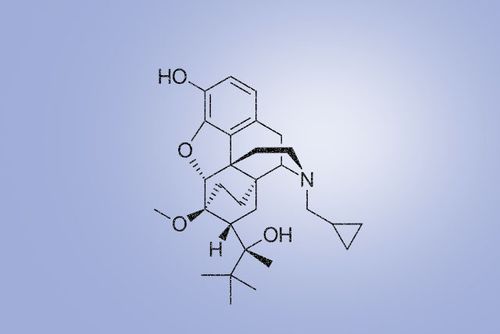
There are several types of MAT for opioid use disorder. One treatment is buprenorphine. Here’s everything you need to know.
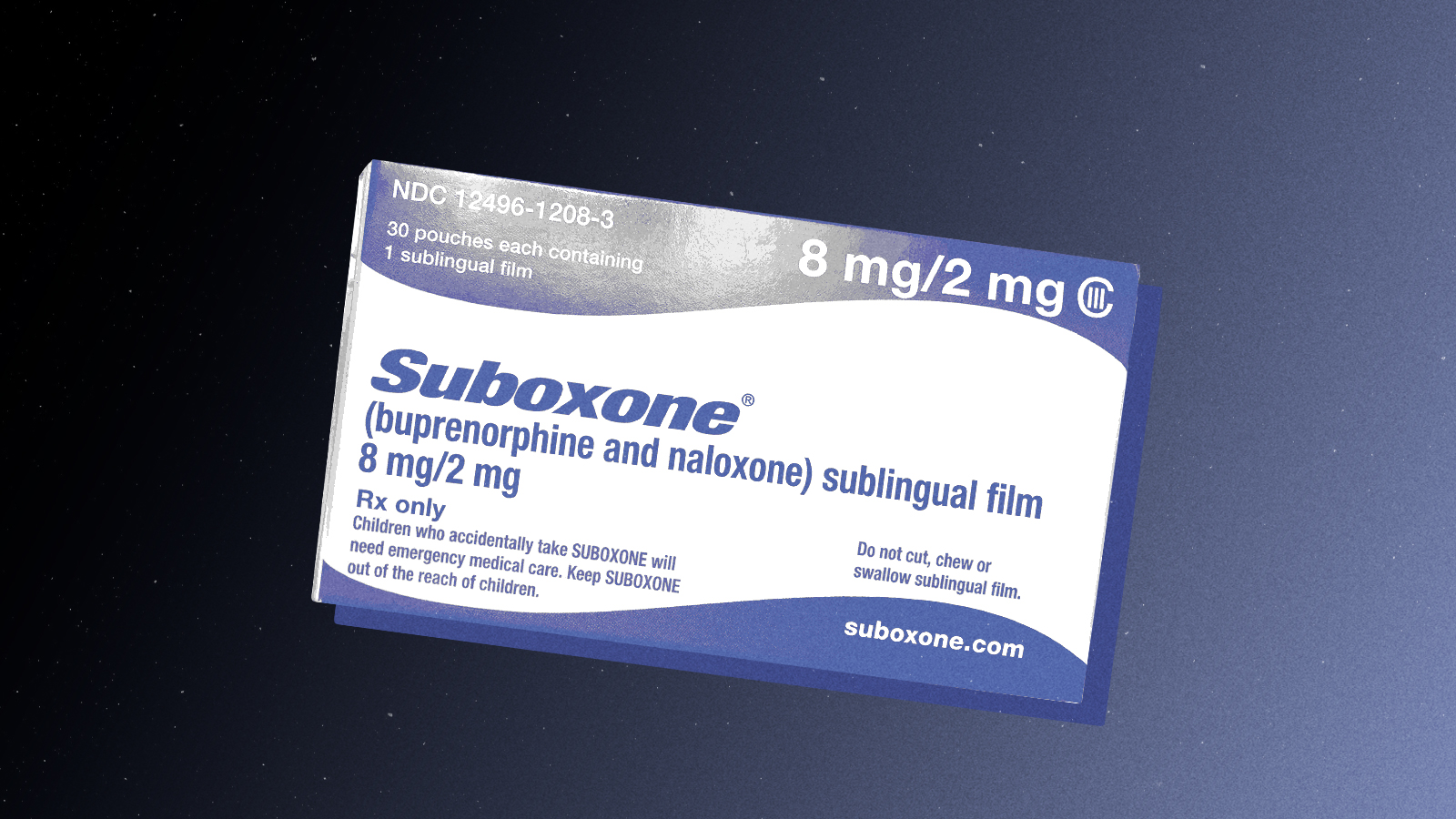
Medication-assisted treatment is tailored to the specific needs of individuals with opioid use disorder.

Ophelia conducted research to help you understand how buprenorphine helps the body overcome opioid addiction.

We, and our third-party partners, use cookies, and other technologies to automatically collect, record, and share information you provide, as well as information about your interactions with, our site for ad targeting, analytics, personalization, and site functionality purposes. By continuing to use this site, you agree to the use of these technologies (as described in our Privacy Policy) and our Terms of Use (which contains important waivers).