No judgment. No stigma.

Round-the-clock care from people that get you
Treatment that fits into your life, not the other way around
Private, affordable, and fast


Kratom can feel like a solution to opioid addiction. But for many people, it creates a new cycle of dependence. Ophelia offers compassionate, evidence-based treatment for opioid use disorder from the comfort of your home with Suboxone® prescriptions. Fully remote, and covered by insurance
100% confidential
Accepts Medicaid and most major insurance plans
Experts in addiction
Available in 15 states, +DC
Kratom (Mitragyna speciosa) is a tropical plant native to Southeast Asia. In recent years, kratom has become widely available in the United States, sold in smoke shops, online, and in convenience stores, often marketed as a "natural" supplement for energy, pain relief, or opioid withdrawal.
Many people who use opioids turn to kratom in an attempt to manage withdrawal symptoms or reduce their opioid use. While kratom may help some withdrawal symptoms in the short term, research shows that regular use can lead to physical dependence and addiction. This means quitting kratom can be difficult and produce uncomfortable, sometimes severe withdrawal symptoms.
It is essential to distinguish between the kratom plant itself and its most potent active alkaloid: 7-hydroxymitragynine (7OH). While the raw kratom leaf (Mitragyna speciosa) contains over 40 different compounds, 7OH is a very strong alkaloid that has a high affinity for the brain's mu-opioid receptors. In its natural state, 7OH exists in very low concentrations (~1-3%); however, many newer products on the market are concentrated 7OH extracts. Because these isolates are significantly more potent than traditional leaf powder, they carry a much higher risk of rapid physical dependence and more intense withdrawal symptoms.
Kratom acts directly on the same brain receptors activated by other opioids. At low doses, kratom produces stimulant-like effects. At higher doses, it produces sedation, pain relief, and euphoria similar to opioids. For people already living with opioid use disorder (OUD), this is exactly why kratom feels appealing. It can temporarily quiet the physical and mental symptoms of opioid withdrawal, but it comes with a problem: the brain adapts to kratom the same way it adapts to other opioids. Over time, the same dose has less of an effect, and stopping use causes withdrawal. For many people, their kratom use starts to mimic their other opioid use.
The bottom line: kratom is not an FDA-approved treatment for opioid use disorder. Medications like Suboxone (i.e. Buprenorphine) are clinically proven to reduce cravings, prevent withdrawal, and support long-term treatment, and they're available through Ophelia's telehealth treatment today.

Kratom dependence can develop after weeks of regular use. If you recognize any of the following signs in yourself or someone you care about, it may be time to speak with a medical professional.
This is a medical condition, not a personal weakness. Treatment is available, and it works. Click below for a free, confidential eligibility check.
Kratom withdrawal is real, and for regular users it can be physically and emotionally difficult. Withdrawal symptoms typically begin within 12–24 hours of the last dose and may last from a few days to two weeks or more, depending on how long and how much kratom was used. While kratom withdrawal is generally less life-threatening than withdrawal from other substances, most people find it very hard to stop on their own, and attempting to go through withdrawal without medical support increases the risk of returning to use.
Typical onset: 12–24 hours
Duration: 3–7 days
Typical onset: 12–24 hours
Duration: 5–14 days
Typical onset: 12–24 hours
Duration: 2–5 days
Typical onset: 12–24 hours
Duration: 3–5 days
Typical onset: 12–24 hours
Duration: 7–14+ days
Typical onset: 12–24 hours
Duration: 2–4 weeks
Typical onset: 24–48 hours
Duration: 1–3 weeks
Typical onset: 12–24 hours
Duration: 3–7 days
Typical onset: 12–24 hours
Duration: 2–5 days
Typical onset: 24–48 hours
Duration: 1–2 weeks
This is one of the most common questions we hear, and the answer is: yes, in most cases. While kratom use disorder may not be listed as a covered diagnosis by name, treatment for opioid use disorder (the underlying condition that often exists with kratom use) is covered by most major insurance plans under federal mental health parity laws. This includes Medicaid, Medicare, and many private insurance plans. Ophelia accepts most major insurance plans and can help you verify coverage before your first appointment. If you're uninsured or underinsured, our team can walk you through your options.

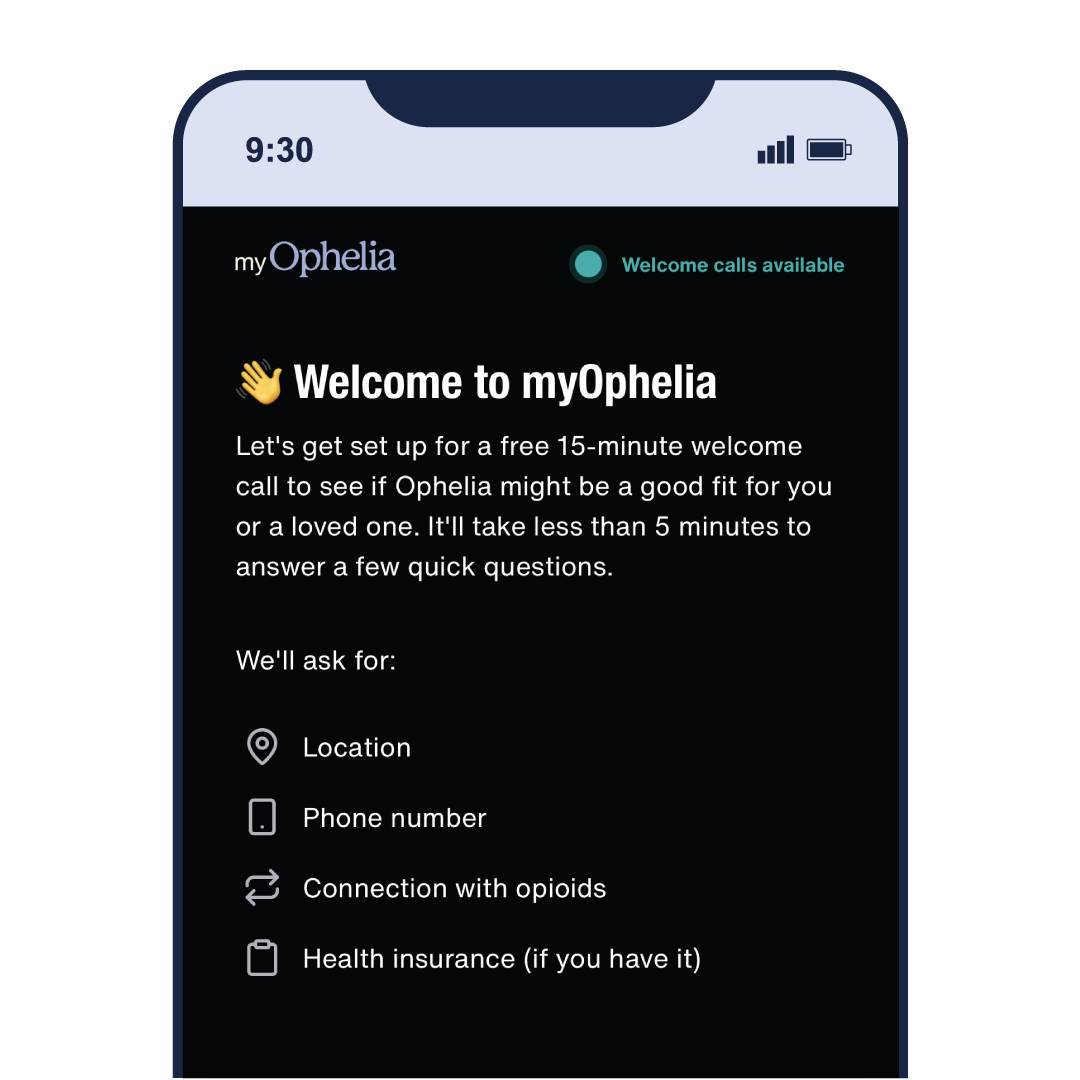
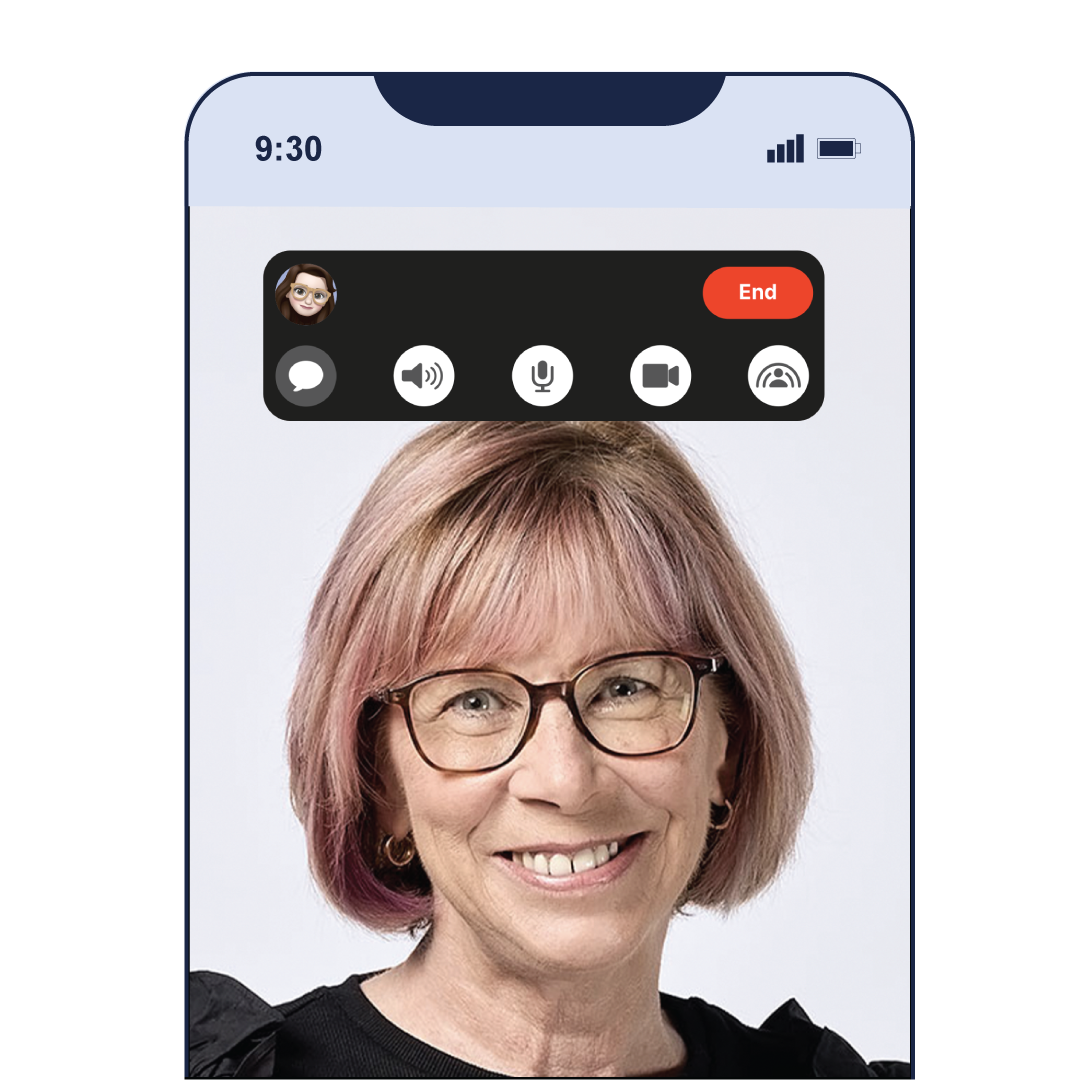
Ophelia is a telehealth platform built for people living with opioid use disorder. We connect you with clinicians who provide evidence-based treatment from your phone or computer, without ever setting foot in a waiting room.


The doctor that I have been seeing doesn’t just treat me like a number, she genuinely cares. I can tell when I speak that she pays attention to what I say and takes action.

I have been with Ophelia for over a year and have been treated with respect and understanding throughout all my dealings with them. They always reach out right away with any problems I've had with quick decisions, always making sure I get what I need.
Best decision I ever made coming to Ophelia. It's a totally different experience than seeing your primary or some addiction specialist. They treat you as a human being, not some drug addict that no one trusts.
I feel like a person and not just a number. Everyone has been so kind, caring, and truly understanding, unlike some if the other places. The way the staff has treated me has been almost the best part of my recovery process.
I cannot say enough amazing things about Ophelia! From day one, I was blessed to be paired with the most incredible clinician, and I honestly don’t know where I’d be without her.
Best experience I’ve ever had with a doctor. Not only is it super convenient because you can zoom your meeting/session from anywhere, but I have never had a physician who listened to all of my needs.
Kratom has not been traditionally classified as an opioid, but parts of the drug acts on the brain's opioid receptors in a similar way to other opioids, which is why it has been categorized this way in recent years.. Its active compounds (mitragynine and 7-hydroxymitragynine) bind to mu-opioid receptors, producing effects similar to opioid drugs. Because of this, kratom carries many of the same risks as opioids, including physical dependence and withdrawal.
Kratom is legal at the federal level in the United States but is banned in several states including Alabama, Arkansas, Indiana, Rhode Island, Vermont, and Wisconsin, as well as some individual municipalities. The FDA has not approved kratom for any medical use and has issued warnings about its safety risks.
Kratom withdrawal symptoms are similar in many ways to opioid withdrawal. Common symptoms include muscle aches, sweating, nausea, insomnia, anxiety, irritability, depression, and intense cravings. Symptoms typically begin 12–24 hours after the last dose and may last from several days to a few weeks.
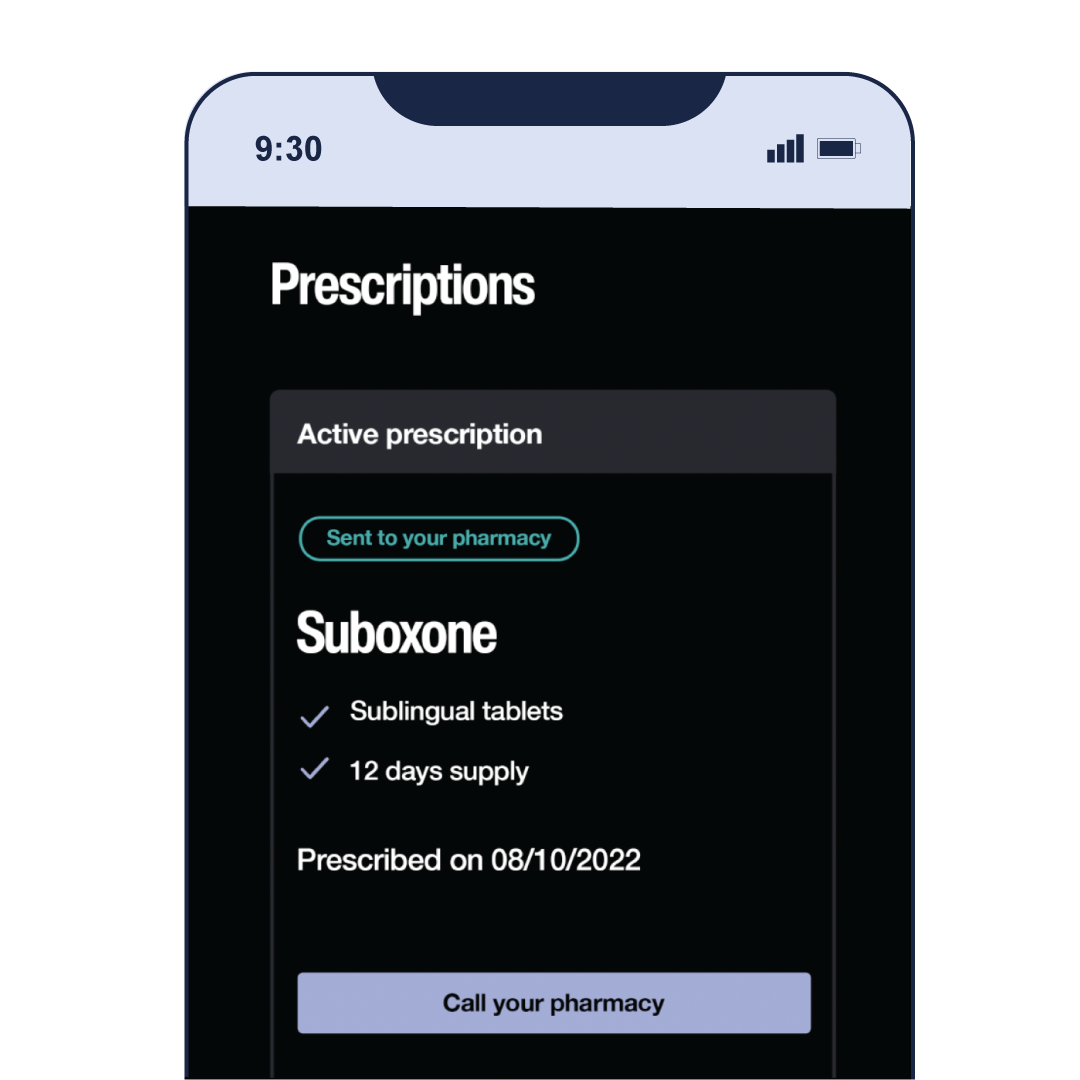
After having an initial visit with an Ophelia clinician, they will work with you to determine the best approach to treatment. This may include medication for opioid use disorder like buprenorphine (Suboxone®) that helps reduce cravings and withdrawal symptoms, supporting your treatment journey. All care is delivered via telehealth, from the comfort of your own home.
Ophelia accepts most major insurance plans, including Medicaid and Medicare. Treatment for opioid use disorder is covered under federal mental health parity laws in most states. You can complete a free, no-commitment eligibility check at www.ophelia.com to find out what your plan covers.
Yes. Ophelia offers same-day appointments with board-certified addiction medicine physicians. Many patients receive their prescription on the same day they sign up. Visit www.ophelia.com to check your eligibility and book your first visit.
Kratom carries real health risks. The FDA has linked kratom to deaths (often involving other substances), liver toxicity, seizures, and cardiovascular effects. It is not manufactured or regulated to consistent quality standards, meaning doses are unpredictable. The risk is elevated when kratom is combined with alcohol, benzodiazepines, or other opioids.
Buprenorphine (Suboxone) is an FDA-approved medication specifically designed to treat opioid use disorder. It has been studied in thousands of clinical trials, is dosed consistently, and is prescribed by licensed physicians. Kratom is an unregulated plant supplement with no approved medical use, variable potency, and no clinical evidence supporting its use as a treatment for opioid use disorder.
If you are using kratom daily, find it difficult to stop, experience discomfort when you miss a dose, or have tried to quit and been unable to, you may benefit from professional support. Ophelia offers a free, confidential assessment; speaking with a care team member costs nothing and can help you understand your options.
You've been managing this long enough on your own. Ophelia is here with real doctors, real treatment, and real support, available from wherever you are, today. It takes less than 2 minutes; no commitment, and 100% confidential.
✓ No waiting rooms, no judgment, and no shame
✓ Board-certified addiction medicine physicians
✓ Same-day prescriptions
✓ Available in 15 states, plus DC
✓ Accepts most insurance, including Medicaid