Opioid Rehab Services
Table of Contents
1. What is Opioid Use Dependency (OUD)
2. Improving Accessibility
3. Logistical Hurdles
4. Ophelia's Services
5. Benefits of choosing Ophelia for rehab
6. How to find an opioid rehab center near you
7. Call or text for a free onboarding session
Opioid use disorder (OUD) is difficult to manage alone. The combination of physical withdrawal symptoms and the mental component of addiction often lead to relapse, despite a person's best intentions. Rehab can give you the physical and emotional support you need to minimize the risk of recurrent opioid use. With that said, not all opioid rehab programs are created equal, and it's vital to find an option that fits your needs and lifestyle. Many people are left wondering, “Where can I find drug rehab near me?” Read on to find out why telehealth for OUD is a viable solution.
The term "rehab" is a catch-all phrase that requires careful definition. Different rehab programs have different approaches. Traditionally, programs were often abstinence-based — an approach that rarely works, which is why we called it out with our F*ck Rehab campaign. Today, there is a broader shift toward medication-assisted treatment (MAT) programs, which are more effective in terms of patient retention and reduction of overdose deaths2.

Improving accessibility
Beyond the clinical approach, accessibility remains a major barrier to traditional rehab, which can be inpatient or outpatient. Inpatient programs require you to stay at a facility and come with a hefty price tag—up to $40,000 for a 30-day program.
Outpatient programs permit you to live at home but still require in-person attendance of therapy and 12-step meetings, which can eat up hours of your week. These services can also be pretty pricey, upwards of $5,000 for a 90-day program.
Logistical hurdles
In addition to cost, it can be hard to find facilities that offer rehab near you. If you live in a rural area, for example, there may be no options available to you. Even if there is a program near you, finding the time to participate can be hard.
For people who are dealing with life's many obligations, from work to caregiving for kids or elderly parents, commuting multiple times a week to fulfill the responsibilities of rehab simply isn't feasible. These logistical hurdles are one reason that finding a treatment program can be especially tough for women, who are often the primary caregivers in a household.
The good news: Online programs for opioid use disorder (OUD), like Ophelia's, offer an affordable and easily accessible alternative — and they work. Research shows that patients who get telehealth addiction treatment are 27% more likely to stay on their medications and 33% less likely to suffer an overdose.
By removing financial, geographic, and logistical barriers to OUD treatment, telehealth services can improve patient retention rates. Managing OUD is all about the long game, so this is a big deal. Discover how Ophelia's telehealth services can help you access OUD care from the comfort of your own home.
Ophelia's services
Eligibility for treatment
Ophelia is a telehealth platform that provides comprehensive, evidence-based medication-assisted treatment (MAT) for OUD. MAT is considered the "gold standard" of OUD care. It addresses both the mental and physical effects of addiction, combining counseling with the prescription of a medication designed to eliminate withdrawal symptoms and reduce cravings.

Ophelia provides a simpler avenue to MAT than traditional inpatient or outpatient treatment programs for opioid use disorder. Here's how it works:
- Meet your virtual care team, which includes qualified clinicians.
- Get a customized treatment plan. If you're eligible, your clinical care team will call in a prescription for Suboxone®—a buprenorphine/naloxone combination medication commonly used in MAT—to your local pharmacy (important safety information).
- Receive ongoing medical support.
Ophelia's care coordination team is available during business hours. Video calls with your clinician allow for regular check-ins, and they can also diagnose you for conditions that often coexist with OUD, such as anxiety and depression.
It's even possible to conduct urine testing through Ophelia's telehealth services. Remote drug testing is feasible and effective. The goal of the test is to check for buprenorphine, ensuring that you are sticking to your treatment regimen. How does it work?
First, you'll get an unmarked package in the mail with the urine test kit. During a virtual visit with your care team, you'll open the kit during the video chat, before stepping away to provide your sample. You then return to the video chat, so you can read the instant results with the clinician.
To get started with Ophelia, sign up for a free welcome call. Our onboarding team can help figure out your eligibility and coverage options. It only takes 15 minutes.
Benefits of choosing Ophelia for rehab
Ophelia's telehealth services address barriers that make traditional programs hard to access or sustain for people seeking OUD treatment. Here are the key advantages that set Ophelia apart:
Get care from home
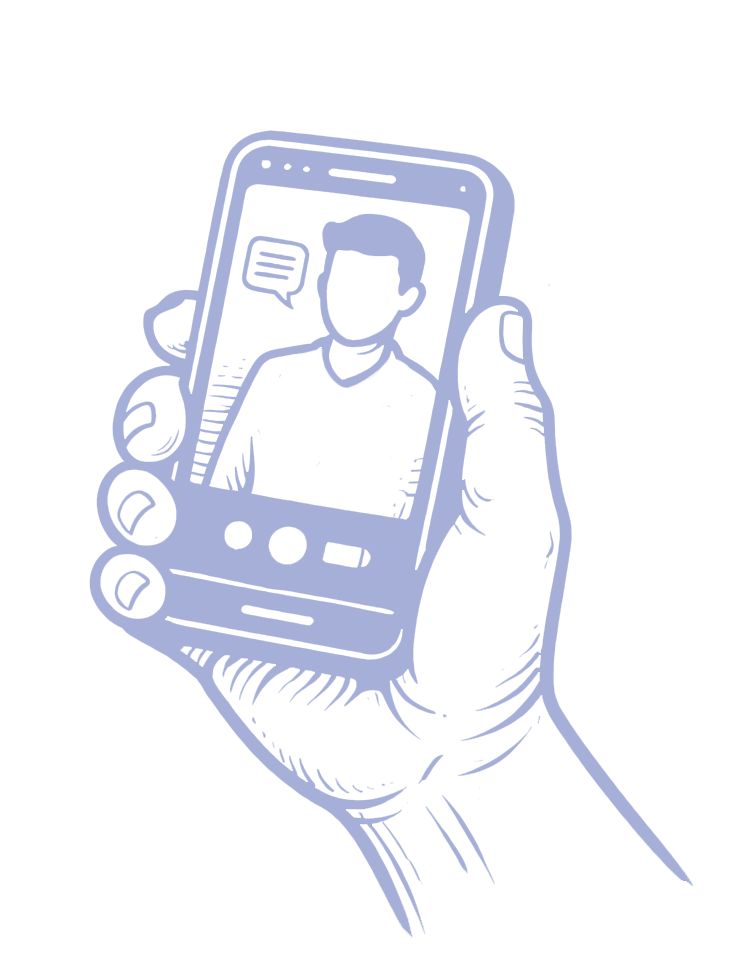
With the telehealth model, you don't have to commute to appointments, which eliminates transportation costs, time spent traveling, and the stress of finding reliable transportation. Get care from wherever you feel most comfortable.
Get care from home

Traditional inpatient programs require you to put your entire life on hold, while even outpatient programs demand hours per week of in-person attendance. With Ophelia, you can keep caring for kids, elderly parents, and pets. Plus, you don't have to take significant time away from work, which means you can maintain your income and job security.
Access affordable care

Cost is one of the biggest barriers to OUD treatment, with traditional programs often running tens of thousands of dollars. A growing number of insurance plans, as well as Medicaid, accept Ophelia. If your insurer doesn't cover our OUD care, you can sign up for a self-pay plan.
Receive personalized, evidence-based care
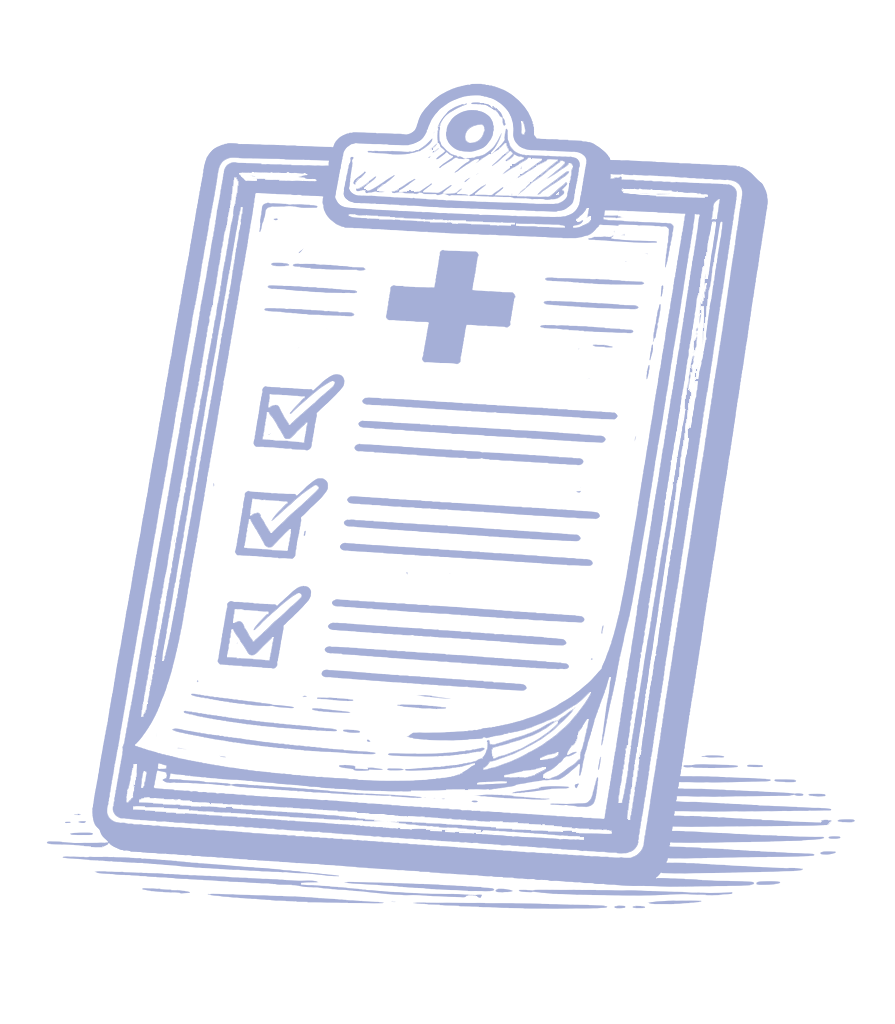
Unlike one-size-fits-all programs, Ophelia tailors its approach to your individual needs and circumstances. Your dedicated care team includes licensed clinicians who specialize in addiction medicine and understand that recovery looks different for everyone.
Maintain privacy

Seeking treatment for OUD still carries significant stigma in many communities. With telehealth, you don't have to worry about being seen entering or exiting a treatment facility.
How to find an opioid rehab center near you
Managing OUD isn't just about addressing the physical withdrawal symptoms. There is also a mental component to opioid use disorder, which often goes hand in hand with other illnesses, like anxiety or depression. Ophelia can help diagnose these coexisting conditions and then point you in the direction of local professionals who can provide additional care.
Beyond mental health counseling, joining a group like Narcotics Anonymous (NA) can also be helpful. How to make the process easier and avoid recurrent opioid use? Seek out a comprehensive support network. FindTreatment.gov is a useful resource for finding both addiction and mental health support in your area.
New Jersey
Like many communities in the US, New Jersey has been deeply affected by the opioid crisis. In 2024 alone, the state saw some 1,000 suspected opioid-related overdoses. Deaths involving synthetic opioids like fentanyl has seen a rise in recent years.
To combat the crisis, New Jersey officials have increased funding for programs through the NJ Opioid Recovery and Remediation Fund. This includes providing free naloxone, which can be life-saving when someone is overdosing. The state is also providing funding to scale remote referrals to opioid addiction treatment, making it easier to find rehab in New Jersey.
New Jersey FamilyCare, the publicly funded state insurance program, provides MAT coverage through several providers, including Aetna Better Health of New Jersey, Fidelis Care, Horizon, UnitedHealthcare Community Plan, and Wellpoint. New Jersey Medicaid also covers Suboxone.
New York
New York is another state where Medicaid covers most MAT programs. That said, finding treatment centers in New York depends on the region. For example, Medicaid-approved Suboxone treatment may be easier to find in NYC than in rural areas. While many people associate addiction concerns with urban areas, New York's rural areas are among the most affected by the opioid crisis.
For example, Sullivan County, about two hours northwest of NYC, has the state's highest rate of opioid deaths per 100,000 residents3. Rural areas like these can especially benefit from telehealth programs like Ophelia's.
In addition to covering MAT through Medicaid, New York State has implemented several harm reduction measures, such as free test strips to check if drugs are laced with additives like fentanyl. Other initiatives include mobile methadone clinics and overdose prevention centers where people can use pre-obtained illicit drugs in a safe, supervised setting.
Pennsylvania
Pennsylvania has one of the highest death rates from drug overdoses, the majority of them involving opioids. Fentanyl and heroin have been pinpointed as the biggest culprits in the high rate of overdoses and deaths, with the influx of fentanyl particularly a problem.
The state has implemented numerous harm reduction facilities and programs, such as a syringe service program to provide clean syringes and safe syringe disposal. Meanwhile, the Pennsylvania Overdose Prevention Program includes access to overdose prevention supplies like naloxone. Medicaid also covers various MAT programs, making drug rehab in Pennsylvania easier to access.
Further, the Pennsylvania Department of Human Services has implemented a Centers of Excellence recognition program in its efforts to raise the standards of OUD care, and Ophelia has been named the state's first Telehealth Center of Excellence (COE) for opioid treatment.
Call or text for a free onboarding session
If you or someone you know is struggling with OUD, Ophelia can help. You don't have to disrupt your life or shell out big bucks for a pricey opioid rehab program. We say F*ck Rehab. Ophelia offers an accessible, affordable alternative that allows you to get the care you need from home. Call or text today for your free onboarding session. Our team is standing by to help.
Sources
1. Watkins, M. (29 May 2025). Opioid Relapse Rates, Prevention and Recovery. American Addiction Centers. Retrieved July 24, 2025, from https://drugabuse.com/opioids/relapse/
2. Krawczyk, N., Mojtabai, R., et al. (24 February 2020). Opioid Agonist Treatment and Fatal Overdose Risk in a State-wide US Population Receiving Opioid Use Disorder Services. Addiction. Retrieved July 24, 2025, from https://onlinelibrary.wiley.com/doi/abs/10.1111/add.14991
3. RStrach, P. (2020) How a Rural Community Responds to the Opioid Epidemic. Rockefeller Institute of Government. Retrieved July 24, 2025, from https://rockinst.org/stories-from-sullivan/
Reviewed by world-leading medical experts

Dr. Arthur Robin Williams
Dr. Arthur Robin Williams is a codesigner of Ophelia and brings a wealth of knowledge on substance use disorders. Currently, he is an academic addiction psychiatrist, and a Research Scientist at New York State Psychiatric Institute supported with NIH, SAMHSA, and CDC funding. He has served as an expert speaker or consultant to the NIH HEAL Initiative, the National Quality Forum, and the American Psychiatric Association to aide quality measure development efforts for the opioid crisis under the OUD Cascade of Care framework.

