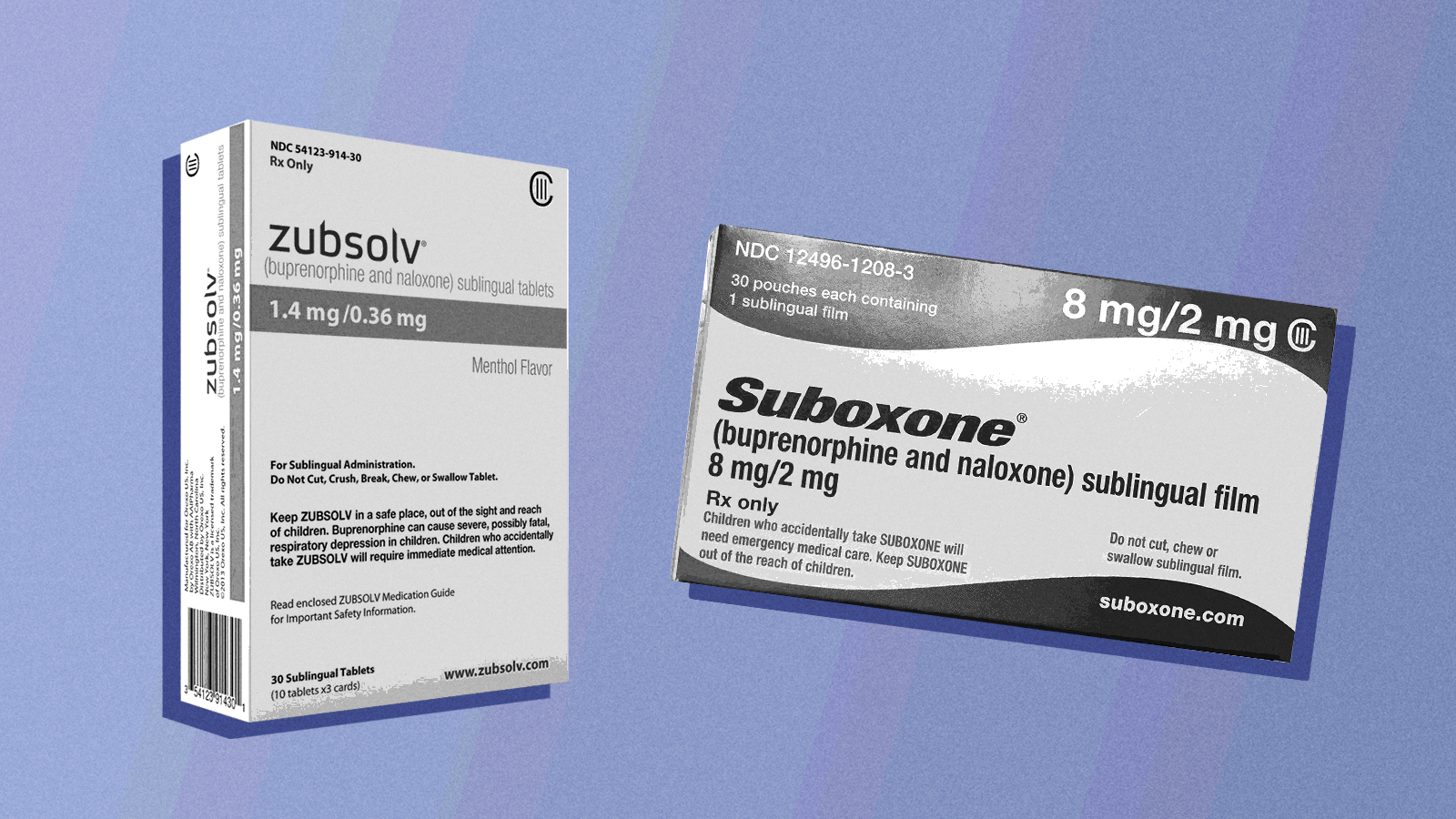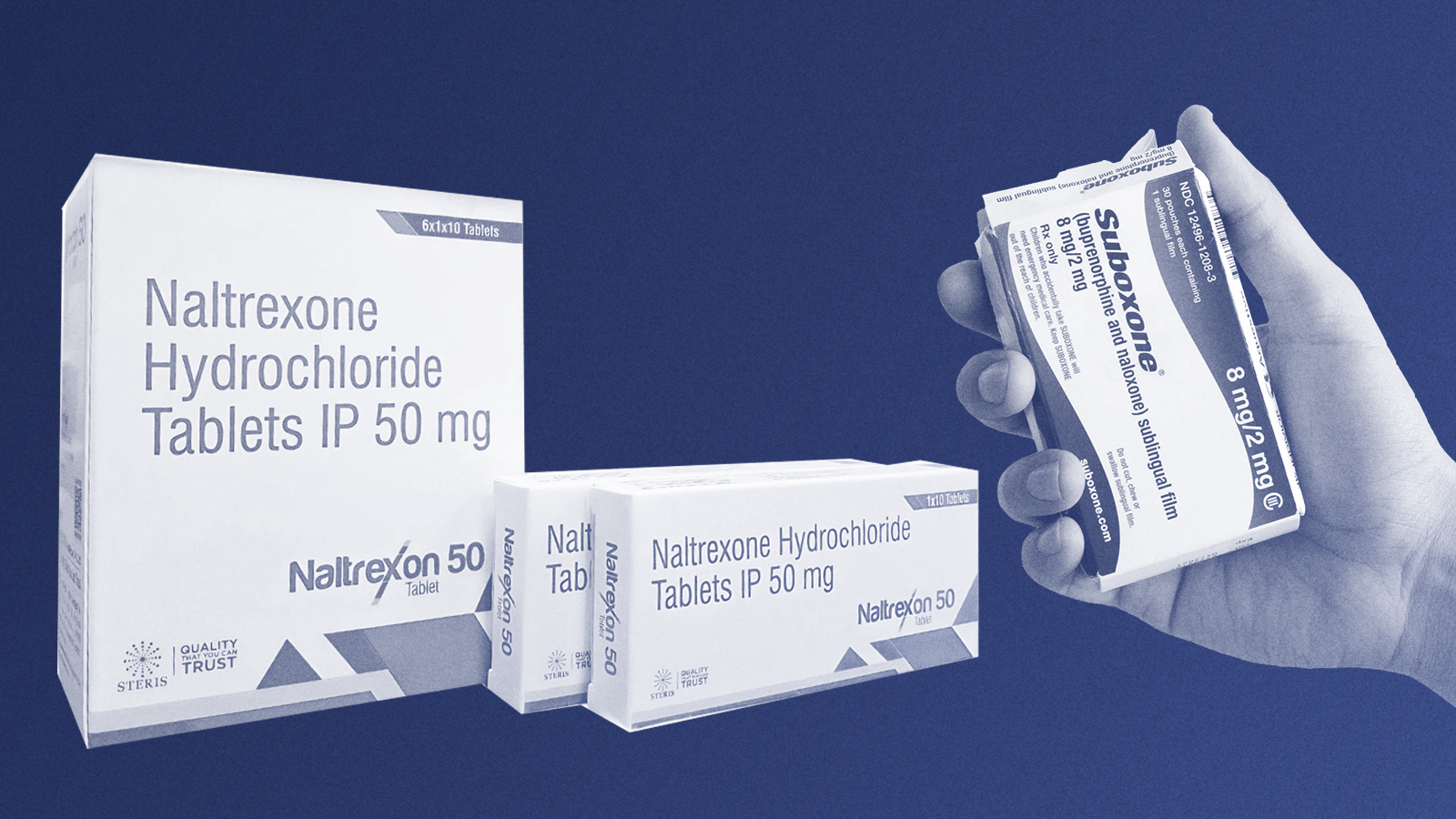

When people compare naltrexone vs Suboxone, they’re usually trying to understand how each medication works and why their starting requirements are different. The answer is simple: while both medications are FDA‑approved for opioid use disorder (OUD), they work in different ways. Naltrexone blocks the effects of opioids completely without stimulating their receptors, while Suboxone (buprenorphine/naloxone) activates opioid receptors partially. Both mechanisms ease withdrawal and reduce cravings without producing a strong euphoric effect.
This difference helps determine which treatment option may be the best fit and shapes how treatment begins. Neither medication is universally “better” because the right choice depends on factors like opioid use history and treatment goals. This guide compares the two medications so you can have a more informed conversation with your care team.
Naltrexone vs Suboxone: quick comparison
A quick side‑by‑side overview makes it easier to compare naltrexone vs Suboxone and see how each medication might fit into your treatment plan.
What is Suboxone?
Suboxone is a brand-name medication that combines buprenorphine, a partial opioid agonist, with naloxone, an opioid antagonist. Buprenorphine works by partially activating opioid receptors. At therapeutic doses, it reduces cravings and eases withdrawal symptoms without producing the strong euphoric effects associated with full agonists like heroin or fentanyl.
Suboxone’s buprenorphine component has a ceiling effect on respiratory depression, which lowers overdose risk compared to full opioid agonists. This ceiling effect helps explain why the overdose risk profile is different for Suboxone vs naltrexone.
Naloxone, the other component of Suboxone, blocks the effects of opioids by competing with them for the same receptors without activating the receptors. Naloxone is inactive when taken orally and triggers an unpleasant state of opioid withdrawal if injected, deterring misuse.
How Suboxone is taken
Suboxone is available as a daily sublingual film or tablet that dissolves under the tongue. If Suboxone is clinically indicated, your clinician will determine the right starting dose based on your history and current opioid use. This dose can be adjusted over time as your needs and goals change.
Common side effects of Suboxone
Most people tolerate Suboxone well, but side effects vary from person to person. Suboxone is considered safer than alternatives like methadone in some respects, especially because it has a lower risk of respiratory depression and overdose. However, the best option depends on your individual circumstances.
General side effects of Suboxone may include:
- Headaches
- Trouble falling or staying asleep
- Increased body temperature and sweating
- Nausea or vomiting
- Constipation
- Physical dependence
These symptoms typically ease as your body adjusts to treatment. Your care team can help you manage unpleasant side effects and adjust your dose as needed. Severe side effects, like allergic reactions or liver problems, are rare. Always contact your clinician if you have concerns or think you need a dose adjustment.
What is naltrexone?
Naltrexone is a full opioid antagonist that’s FDA-approved for both OUD and AUD. Rather than partially activating opioid receptors, it blocks them completely by binding to them. While active, naltrexone does not produce a euphoric effect or cause physical dependence. Your clinician can determine whether naltrexone makes sense based on your current stage of treatment.
Forms of naltrexone: oral and injectable (Vivitrol)
Naltrexone comes as a daily oral tablet or Vivitrol, an extended-release injection that’s administered monthly by a healthcare provider. Some people prefer a daily tablet because they can take it at home instead of visiting a clinic each month. Others prefer the injection because it removes the need for daily dosing.
Common side effects of naltrexone
The most common side effects of naltrexone include:
- Reduced energy levels
- Anxiety and nervousness
- Muscle and joint pain
- Headaches
- Trouble sleeping
- Nausea or upset stomach
Less common side effects that occur in fewer than 10% of reported cases include:
- Loss of appetite
- Excessive thirst
- Constipation or diarrhea
- Sadness or irritability
- Dizziness or chills
- Skin rash
Individuals who choose a monthly Vivitrol injection may also experience injection-site reactions such as pain, redness, bruising, or swelling.
Key differences between Naltrexone and Suboxone
When comparing naltrexone vs. Suboxone, it's important to know that both medications effectively treat OUD. But they differ in when treatment can begin and what day-to-day management looks like.
Starting treatment: detox requirements
Individuals starting naltrexone can typically take their first dose:
- 7-10 days after stopping short-acting opioids
- 10-14 days after stopping long-acting opioids
Starting naltrexone while opioids are still active can trigger a sudden and severe onset of symptoms called precipitated withdrawal. A qualified clinician can help you begin naltrexone at the right time to prevent the dangers associated with detox.
Suboxone requires a much shorter detox period and can generally be started:
- 12-24 hours after stopping short-acting opioids
- 36 hours after stopping most long-acting opioids
- 48+ hours after stopping methadone
Your care team will help you prepare for buprenorphine induction and learn what to expect during opioid withdrawal. Comfort medications can help ease withdrawal symptoms such as nausea or anxiety.
Physical dependence and stopping treatment
When comparing Suboxone vs. naltrexone, it’s important to consider differences in physical dependence and how to stop treatment. Long-term Suboxone use can involve some physical dependence. Your clinician will help you gradually taper the medication if and when you’re ready to stop.
Stopping naltrexone doesn't require tapering in the same way. However, you should always talk to your clinician before stopping any OUD medication.
Alcohol use disorder treatment
Naltrexone helps individuals manage both OUD and AUD. Suboxone is only intended to treat OUD. Drinking alcohol while taking Suboxone can enhance unpleasant side effects and cognitive impairment. It may also increase the risk of falling into a risk of accidental overdose or overdosing.
Effectiveness and relapse prevention
Suboxone has a longer, more established evidence base for OUD. It stabilizes patients to help reduce relapse risk. Naltrexone is effective for people who are already opioid-free, but missing a dose can significantly limit its opioid-blocking protection, increasing relapse risk.
Safety and overdose risk
Naltrexone carries a more distinct overdose risk because it doesn’t have a ceiling effect on respiratory depression. Opioid tolerance may drop during naltrexone treatment, which can increase overdose potential in patients who start using opioids again.
Cost and insurance coverage
Coverage for oral naltrexone and Suboxone is available through most commercial insurance plans, as well as Medicaid and Medicare Part D. Many people pay a monthly copay for medication coverage, which typically ranges from $0 to $100 depending on their plan. Prescriptions are usually free or low‑cost for those on Medicaid, with applicable copays between $1 and $5.
Nearly all insured individuals have some coverage for Vivitrol, the extended-release naltrexone injection. 90% of eligible Vivitrol patients pay less than $5 out of pocket, and 99% of people with Medicaid pay $4 or less for a monthly prescription. Note that some plans require prior authorization.
[Check your insurance coverage: https://my.ophelia.com/insurance-coverage]
Naltrexone vs Suboxone: which is right for you?
Which medication to choose is a decision that should be made with a clinician who specializes in medication-assisted treatment (MAT). Below are several factors clinicians consider when selecting a medication to support your treatment goals.
Factors that may favor Suboxone
Suboxone may be a better fit if you:
- Are in active withdrawal or early in stopping opioid use (not yet opioid-free)
- Have a history of difficulty completing detox or a higher relapse risk
- Prefer a sublingual daily medication you can manage from home via telehealth
- Are pregnant, as buprenorphine-based medications are preferred over alternatives like methadone for treating OUD in pregnancy
Factors that may favor naltrexone
Naltrexone may be a better fit if you:
- Are already opioid-free and medically cleared to start
- Want a medication with no opioid dependence risk
- Are managing co-occurring OUD and AUD
- Prefer a monthly injection (Vivitrol) rather than daily dosing
- Do not have impaired liver function (required before starting naltrexone)
Common myths about naltrexone and Suboxone
Here are some of the most common myths you may have heard when it comes to naltrexone vs Suboxone.
Myth: Suboxone is just trading one addiction for another.
Fact: Suboxone is prescribed and monitored by a clinician as treatment for OUD, which is a legitimate medical condition. Taking medication as prescribed is not the same as compulsive opioid use.
Myth: Naltrexone is safer because it's non-addictive.
Fact: Naltrexone doesn't create physical dependence, but the safest medication depends entirely on the individual. Naltrexone comes with its own risk, as it reduces opioid tolerance during treatment. This can increase overdose risk if someone returns to using after stopping opioids. Your clinician can help you choose a medication based on a combination of factors, such as your opioid history and preferences.
Myth: Both medications are equally easy to start.
Fact: Suboxone can be started during withdrawal, which makes beginning treatment feel more straightforward for some patients. Naltrexone requires a full opioid‑free period first, so the timing and preparation look different. This doesn’t make one medication better than the other. It just means you’ll need to follow the guidance of your clinician.
Myth: Suboxone gets you high.
Fact: At therapeutic doses, buprenorphine's partial activation and ceiling effect limit Suboxone’s euphoric effects. Most people describe feeling stable and clear-headed rather than high.
Myth: Naltrexone works the same whether you take the pill or the injection.
Fact: Oral naltrexone requires daily consistency, and missing a dose can significantly reduce its opioid-blocking protection and increase relapse risk. Vivitrol keeps medication levels steady all month without daily dosing.
Suboxone treatment with Ophelia
Ophelia provides evidence-based OUD treatment through telehealth, primarily using Suboxone (buprenorphine/naloxone). There are no in-person clinic visits, and eligible individuals can often meet with a clinician specialized in OUD in just one to three days. Your care team will guide you through next steps after your initial evaluation.
Ophelia accepts Medicaid, Medicare, and most commercial insurance. Many patients pay less than $10 per month for online treatment through Ophelia, depending on their insurance plan. Prescription medication costs are separate and depend on insurance coverage. Through Ophelia, you receive judgment-free support throughout each stage of treatment.
[Check your insurance coverage: https://my.ophelia.com/insurance-coverage]
[Explore treatment: https://my.ophelia.com/welcome]
Frequently asked questions
Can naltrexone and Suboxone be taken at the same time?
No. Naltrexone blocks the opioid receptors that buprenorphine activates, so taking them together cancels out the effects of Suboxone and could trigger withdrawal. Your clinician will help you choose one or the other based on your situation.
What medications or substances should I avoid while on these medications?
Avoid drinking alcohol or using benzodiazepines or other sedatives while taking naltrexone or Suboxone unless your clinician tells you it's safe. Combining these substances can increase the risk of excessive sedation, respiratory depression, and overdose. Your clinician can tell you which medications and substances to avoid during treatment.
How long will I need to stay on Suboxone or naltrexone?
When it comes to Suboxone vs naltrexone, there’s no single timeframe that works for everyone. Some people stay on these medications for a few months. Others use medication to help manage OUD for years or indefinitely. Your clinician will make this decision in collaboration with you based on your stability and treatment goals.
Does naltrexone affect mood or mental health?
Mood or mental changes are a rare but possible side effect of naltrexone. Side effects vary by individual, so it’s important to check in with your care team frequently and be honest about what you’re feeling.
Can I switch from Suboxone to naltrexone?
Yes, but you’ll need to be opioid-free for the required period after stopping Suboxone and before starting naltrexone. This transition should be planned and supervised by your clinician.
Sources
- Centers for Disease Control and Prevention. (2024, April 9). Opioid use disorder: treating. Retrieved July 22, 2026, from https://www.cdc.gov/overdose-prevention/hcp/clinical-care/opioid-use-disorder-treating.html
- Pergolizzi, J., Aloisi, A. M., Dahan, A., Filitz, J., Langford, R., Likar, R., Mercadante, S., Morlion, B., Raffa, R. B., Sabatowski, R., Sacerdote, P., Torres, L. M., & Weinbroum, A. A. (2010). Current knowledge of buprenorphine and its unique pharmacological profile. Pain Practice: The Official Journal of the World Institute of Pain, 10(5), 428–450. Retrieved July 22, 2026, from https://pubmed.ncbi.nlm.nih.gov/20492579/
- Canadian Agency for Drugs and Technologies in Health. (2023, Nov 14). Suboxone versus methadone for the treatment of opioid dependence: A review of the clinical and cost-effectiveness [Internet]. Retrieved July 22, 2026, from https://www.ncbi.nlm.nih.gov/books/NBK195158/
- Substance Abuse and Mental Health Services Administration. (2025). Naltrexone. Retrieved July 22, 2026, from https://www.samhsa.gov/substance-use/treatment/options/naltrexone
- Singh, D., Saadabadi, A. (2023, May 30). Naltrexone. In: StatPearls [Internet]. Retrieved July 22, 2026, from https://www.ncbi.nlm.nih.gov/books/NBK534811/
- Substance Abuse and Mental Health Services Administration. (2018). Medications for opioid use disorder: For healthcare and addiction professionals, policymakers, patients, and families: Updated 2021 (Chapter 3C: Naltrexone). Retrieved July 22, 2026, from https://www.ncbi.nlm.nih.gov/books/NBK574913/
- American Society of Addiction Medicine. (n.d.). A patient's guide to starting buprenorphine at home. Retrieved July 22, 2026, from https://www.asam.org/docs/default-source/education-docs/unobserved-home-induction-patient-guide.pdf?sfvrsn=16224bc2_0
- Heidbreder, C., Fudala, P. J., & Greenwald, M. K. (2023). History of the discovery, development, and FDA-approval of buprenorphine medications for the treatment of opioid use disorder. Drug and alcohol dependence reports, 6, 100133. Retrieved July 22, 2026, from https://pmc.ncbi.nlm.nih.gov/articles/PMC10040330/
- American Addiction Centers. (2026, Jan 14). Naltrexone use in addiction treatment. Retrieved July 22, 2026, from https://withdrawal.net/partial-agonists/naltrexone/
- Binswanger, I. A., & Glanz, J. M. (2018). Potential risk window for opioid overdose related to treatment with extended-release injectable naltrexone. Drug safety, 41(10), 979–980. Retrieved July 22, 2026, from https://pmc.ncbi.nlm.nih.gov/articles/PMC6366853/
- Lovely, A. (2025, Oct 6). Does Medicaid cover prescriptions? Propel. Retrieved July 23, 2026, from https://www.propel.app/blog/does-medicaid-cover-prescriptions/
- Alkermes, Inc. (2026). Verifying insurance benefits for VIVITROL®. Retrieved July 22, 2026, from https://www.vivitrol.com/opioid-dependence/verify-insurance-coverage
- Sanford, B., Espinoza, A., & Eniola, K. (2025). Buprenorphine: A better option for opioid use disorder treatment in pregnancy compared to methadone. Journal of the American Board of Family Medicine: JABFM, 38(1), 188–191. Retrieved July 22, 2026, from https://pmc.ncbi.nlm.nih.gov/articles/PMC12096386/
- Recovery Research Institute. (n.d.). Mixing meds: Weighing the pros and cons of adding benzodiazepines to buprenorphine treatment for individuals with opioid use disorder. Retrieved July 22, 2026, from https://www.recoveryanswers.org/research-post/mixing-benzodiazepines-buprenorphine-opioid-use-disorder/
- Mayo Clinic. (2026). Naltrexone (oral route). Retrieved July 22, 2026, from https://www.mayoclinic.org/drugs-supplements/naltrexone-oral-route/description/drg-20068408