
Methadone alternatives for opioid use disorder
Methadone has been used to treat opioid use disorder (OUD) since the 1960s. While this medication can be very effective, it often comes with challenges that push people to look for methadone alternatives. Strict dispensing regulations, unpleasant side effects, and privacy concerns are real. And in many parts of the country, the nearest opioid treatment program (OTP) is so far away that regular visits are nearly impossible.If you're starting to explore what else is out there, know that you have other options. This article breaks down the main alternatives to methadone, including how these medications work and how you can access them.
Why patients look for methadone alternatives
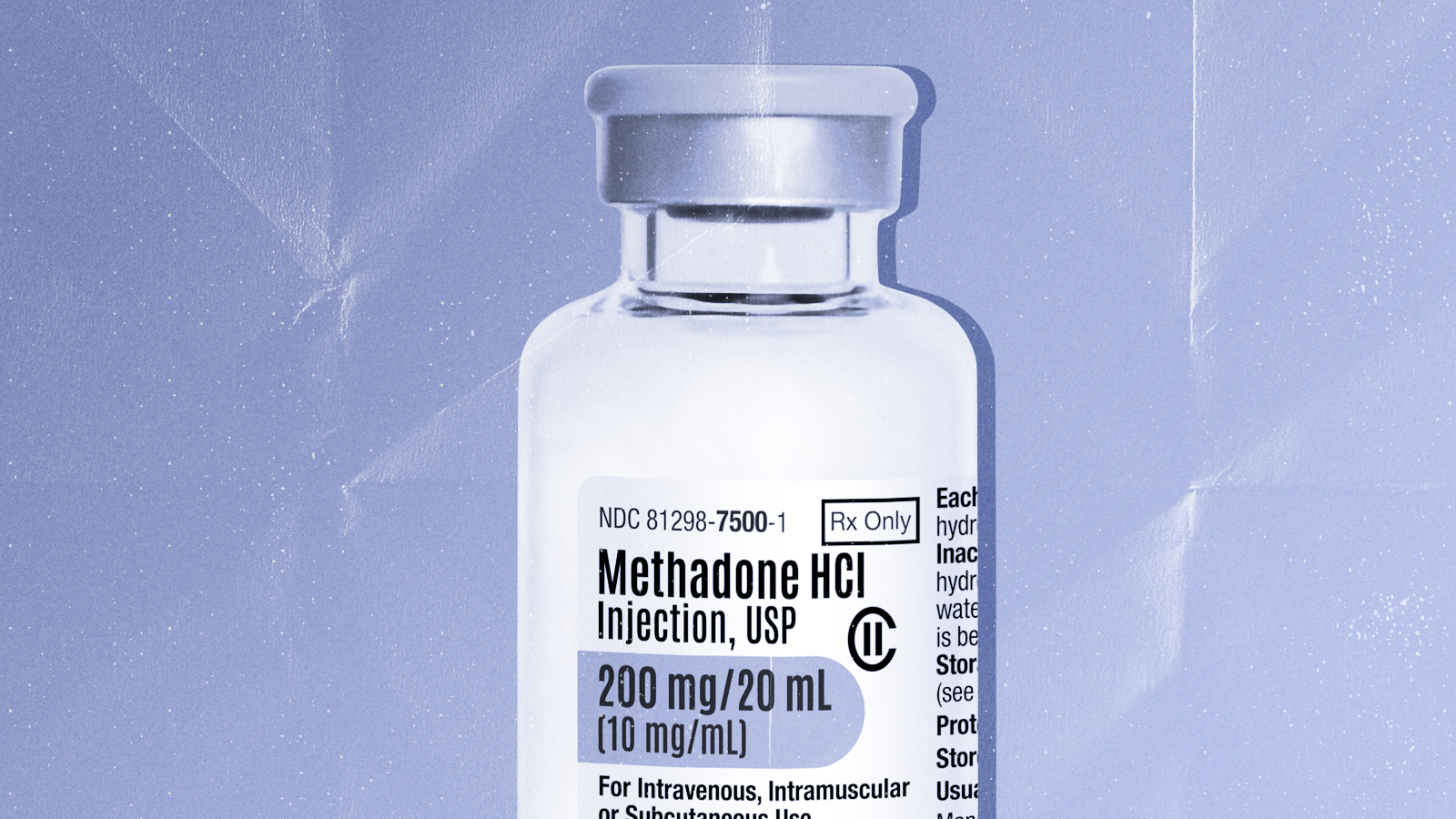
Methadone is a full opioid agonist, meaning it fully activates the brain’s opioid receptors to ease cravings and withdrawal. It’s FDA-approved for OUD and offers long‑term stability for many people. But the way the drug is regulated creates hurdles that can make methadone treatment difficult to start or maintain.
These are a few common reasons why people often explore alternatives to methadone.
Clinic visit requirements
Prior to 2020, people were required to attend the clinic daily for observed methadone dosing. This requirement could be overwhelming for people also juggling work and family responsibilities.
When the Substance Abuse and Mental Health Services Administration (SAMHSA) temporarily allowed take‑home doses of methadone during COVID‑19, studies showed that people managed them safely. These findings shaped new federal rules that went into effect in April 2024, which allow stable patients to receive up to 28 days of take‑home medication when clinically indicated.
But these take‑home options are available only in states that have agreed to the updated federal rules. In states that haven’t adopted these rules, daily clinic visits often remain the only option for methadone treatment.
Lack of accessible opioid treatment programs
The new laws give people more breathing room and make treatment easier to maintain. However, methadone must still be dispensed through a hospital or one of 2,100 approved opioid treatment programs in the U.S. Many counties still don’t have an OTP, and people in rural areas may need to drive hours each day just to get their medication. Access is even more limited in Wyoming, where there are no OTPs at all.
Privacy concerns
Because of the stigma surrounding OUD, some people prefer not to be seen entering or waiting at a methadone clinic. That’s one reason why many patients prefer the 100% virtual treatment that Ophelia provides.
No ceiling effect
Unlike buprenorphine, methadone doesn’t have a ceiling effect. Its impact keeps increasing as the dose goes up, which can feel unpredictable. Many patients find buprenorphine easier to manage because of how it acts on opioid receptors, which creates a ceiling effect at higher doses.
Unpleasant side effects
Methadone can cause uncomfortable side effects like sedation and constipation. In some cases, patients may experience a heart rhythm issue called QT prolongation. One review of 856 encounters involving 291 methadone patients found that prolonged QTc intervals were present in roughly one in four encounters (25.6%). Alternative treatment options may offer more tolerable side effects.
Ongoing monitoring requirements
Because methadone can affect heart rhythm, some treatment programs require patients to complete an annual physical exam and electrocardiogram (EKG). These checkups help monitor for potential complications to keep treatment safe. However, scheduling and attending additional medical appointments can be time-consuming and costly.
Comparing methadone alternatives
Two key methadone alternatives currently exist: buprenorphine‑based medications (like Suboxone®) and naltrexone (available as Vivitrol® and Revia®). Both treatment types are FDA-approved for OUD.
Non‑opioid medications, including clonidine are available for use alongside your primary OUD medication. These treatments help ease withdrawal symptoms during detox or while transitioning from one primary medication to another.
Here's how these options stack up side by side.
Buprenorphine: the most flexible alternative to methadone
There are several reasons why buprenorphine is such a widely used alternative to methadone:
- Proven Effectiveness: Only methadone and buprenorphine are proven to reduce opioid-related deaths.
- Lowered Misuse Risk: Buprenorphine is a partial opioid agonist that works by binding to opioid receptors in the brain. However, it activates them less intensely than full agonists like methadone, which lowers abuse potential and physical dependence risk.
- Reduced Overdose Risk: It also has a "ceiling effect" that limits the risk of respiratory depression and overdose while still effectively managing cravings and withdrawal.
Buprenorphine is available in several formulations. They work similarly but offer different dosing schedules and delivery methods.
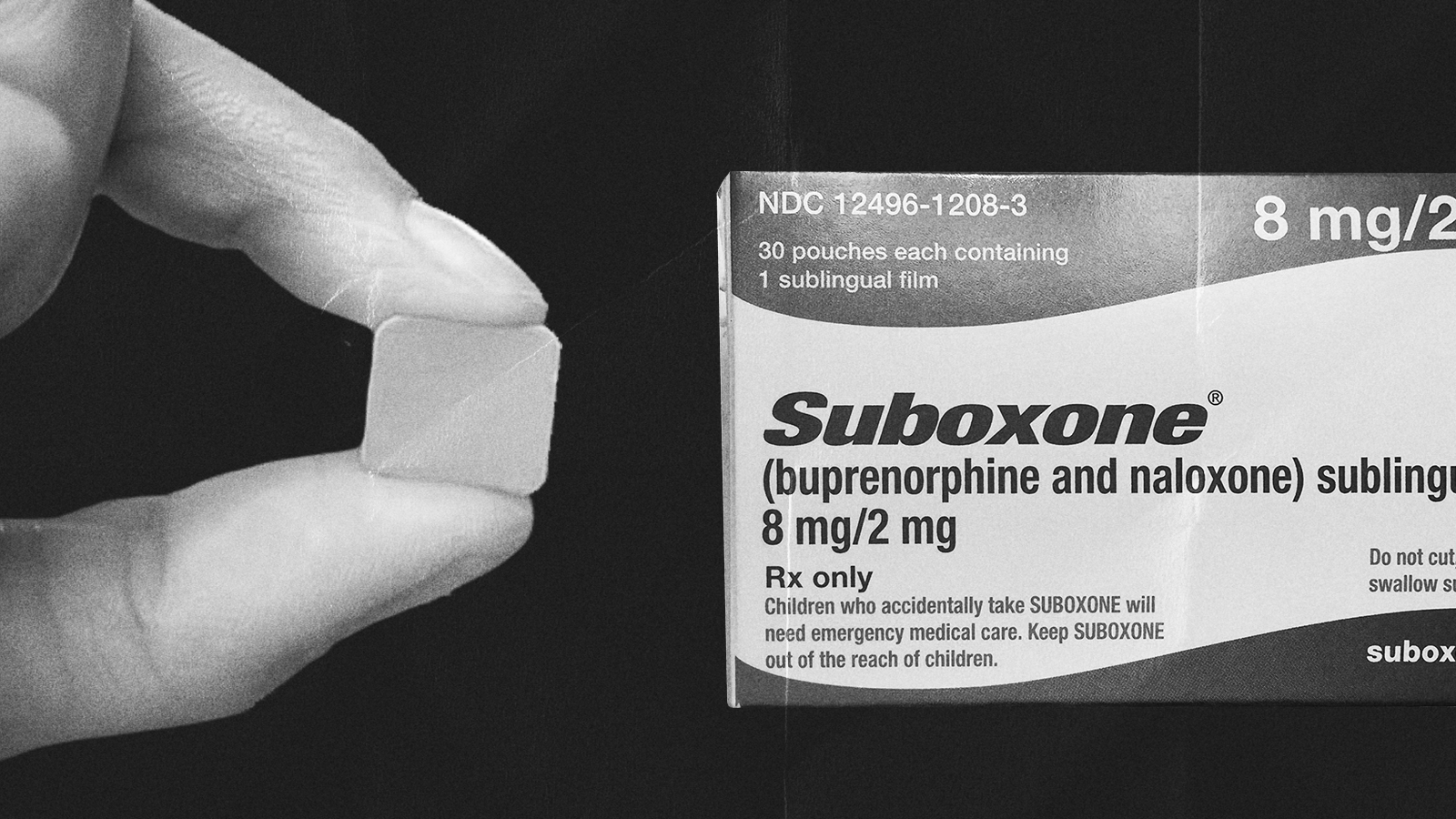
Suboxone (buprenorphine/naloxone)
Suboxone, available as a dissolvable film or tablet, is a common starting point for people transitioning from methadone or other opioids, such as fentanyl, heroin, or prescription pain medications. This medication combines buprenorphine with an opioid antagonist called naloxone. Naloxone is inactive when taken orally and triggers withdrawal if injected.
Suboxone effectively reduces cravings and withdrawal, two reasons people often struggle to avoid opioid use. It also blocks the effects of other opioids and offers a low overdose risk. When combined with counseling and behavioral support, Suboxone is a first-line methadone alternative for individuals managing OUD.
Zubsolv®
Zubsolv is a buprenorphine‑naloxone tablet designed to dissolve quickly under the tongue. It contains the same active ingredients in the same ratio as Suboxone, but many people prefer its dye-free, mint-flavored tablet.
Zubsolv also offers a higher bioavailability than Suboxone, which means the body absorbs more medication per milligram. A lower dose of Zubsolv produces comparable effects to a higher dose of Suboxone.
Subutex® / buprenorphine monoproduct
Subutex is the brand name for buprenorphine monoproduct without naloxone. This medication is delivered as a tablet or film that’s placed under the tongue. While the Subutex brand is no longer marketed in the U.S., generic buprenorphine‑only tablets are still widely available. Clinicians may recommend this formulation for people who cannot take naloxone or who have specific clinical circumstances.
Probuphine®
Probuphine was a buprenorphine implant that provided six months of continuous medication delivery. Titan Pharmaceuticals discontinued the implant in October 2020, but newer injectable formulations offer a similar continuous, steady release of buprenorphine.
Sublocade®
Sublocade is a monthly extended-release injection of buprenorphine. It provides steady medication levels without daily dosing to help manage cravings and withdrawal. Sublocade can be helpful for people who prefer not to manage daily or twice-daily sublingual dosing, or who have difficulty remembering doses. This medication must be administered by a certified healthcare provider.
Brixadi®
Brixadi is a buprenorphine injection designed for people who have started treatment with a single dose of buprenorphine as a sublingual tablet or buccal film or who are already receiving buprenorphine treatment. Unlike Sublocade, Brixadi offers both weekly and monthly injections. This medication must be administered by a certified healthcare provider.
Can you get buprenorphine at home?
Yes. Buprenorphine can be legally prescribed by a licensed clinician via telehealth. Many people start buprenorphine from home after a prescription is sent to their local pharmacy. Medicaid, Medicare, and most commercial insurance plans cover some form of buprenorphine—typically immediate release—for OUD care. Many Ophelia patients pay less than $10 per month for treatment.
Naltrexone: for patients who are opioid-free first
Naltrexone is a full opioid antagonist that works differently from buprenorphine. Instead of activating opioid receptors, it blocks them entirely. This prevents opioids from producing euphoric or sedating effects.
Naltrexone is available as:
Naltrexone requires full detox before starting. If opioids are still active in your body when you take this medication, it can trigger precipitated withdrawal.
For people who have already completed detox and want a non‑opioid medication, naltrexone may be a good fit. Common side effects include nausea, fatigue, and dizziness, particularly in the early weeks.
Non-opioid medications that help with withdrawal symptoms
Clonidine is an alpha‑2 adrenergic agonist that is typically administered as a tablet. The FDA approved this medication for hypertension management in 2010, but has not approved it for opioid withdrawal management. However, it’s widely used off-label to manage the autonomic symptoms of acute opioid withdrawal.
Clonidine should not be used on its own for OUD treatment. It’s meant to work alongside a primary medication, like buprenorphine, to help manage physical withdrawal symptoms during detox or medication transitions.
Which medication is right for you?
There’s no one alternative to methadone that works best for everyone. The right medication depends on factors specific to you, including:
- Current opioid use
- Whether you want or need to detox first
- Your medication preferences (daily tablet/film or monthly injection)
- Whether you prefer telehealth or in-person care
- Your history with other medications
Pregnancy is another important factor to consider. Some providers have historically preferred buprenorphine-only medications out of an abundance of caution. However, this caution is due to theoretical risks that have not been observed in practice. Current studies on the use of buprenorphine-naloxone during pregnancy have not found evidence of harm.
Staying stable in treatment and avoiding withdrawal symptoms are key priorities during pregnancy. Your clinician will help you choose the medication that aligns best with your daily life and goals.
Methadone alternatives with Ophelia
Ophelia provides evidence-based online OUD treatment using buprenorphine. Our 100% virtual model means no clinic visits and no public waiting rooms. Most people see a clinician within one to three days.
Treatment through Ophelia is completely judgment-free. You'll be matched with a dedicated care team made up of a prescribing clinician, nurse, and care coordinator specializing in opioid use disorder. This team will provide ongoing support through every stage of your treatment.
Ophelia accepts Medicaid, Medicare, and most commercial insurance plans. Many patients pay less than $10 per month for treatment.
[Check your insurance coverage: https://my.ophelia.com/insurance-coverage]
[Explore treatment: https://my.ophelia.com/welcome]
Frequently asked questions
Can I switch from methadone to Suboxone?
Yes. Many people switch from methadone to Suboxone, but the transition requires careful timing and clinical oversight. If you start buprenorphine too early, it can displace methadone from the brain's opioid receptors and trigger precipitated withdrawal. Your care team will guide you through a safe transition plan.
What happens if buprenorphine doesn't work for me?
If buprenorphine doesn’t provide enough relief, your clinician may adjust the dose or change the formulation. Naltrexone is another alternative for patients willing to detox first. Your care team will help you figure out the right next step.
Can I get buprenorphine treatment if I'm pregnant?
Yes. Buprenorphine is widely used during pregnancy and is safer than illicit opioid use. Your care team will consider medication safety and your clinical needs when choosing an approach.
How long will I need to stay on medication for OUD?
There's no fixed timeline. OUD is a chronic medical condition that can cause lasting changes in the brain. Medication management is often a long-term approach, and you can stay on buprenorphine for as long as it helps you meet your goals. You and your clinician can revisit your plan over time and make decisions based on your stability and preferences.
What if I've relapsed before? Can I still start treatment?
Yes. Relapse is indicative of OUD's nature as a chronic condition and doesn’t disqualify you from care. A previous relapse doesn't mean medication hasn't worked or won't work. Be upfront with your provider about where you are. A member of your care team can help you restart buprenorphine safely if needed.
Sources
- National Academies of Sciences, Engineering, and Medicine. (2022, July 15). The history of methadone and barriers to access for different populations. In C. Stroud, S. M. Posey Norris, & L. Bain (Eds.), Methadone treatment for opioid use disorder: Improving access through regulatory and legal change: Proceedings of a workshop (Chapter 3). National Academies Press. Retrieved May 12, 2026, from https://www.ncbi.nlm.nih.gov/books/NBK585210/
- Jones, C. M., Compton, W. M., Han, B., Baldwin, G., & Volkow, N. D. (2022, July 13). Methadone‑involved overdose deaths in the US before and after federal policy changes expanding take‑home methadone doses from opioid treatment programs. JAMA Psychiatry, 79(9), 932–934. Retrieved May 12, 2026, from https://jamanetwork.com/journals/jamapsychiatry/fullarticle/2793744
- Frellick, M. (2024, September 27). Rule allows more people with OUD to take methadone at home. MedCentral. Retrieved May 12, 2026, from https://www.medcentral.com/addiction-med/oud/rule-allows-more-people-with-oud-to-take-methadone-at-home
- Substance Abuse and Mental Health Services Administration. (2025, December 22). Methadone take-home flexibility guidance for opioid treatment programs. Retrieved May 12, 2026, from https://www.samhsa.gov/substance-use/treatment/opioid-treatment-program/methadone-guidance#map
- Substance Abuse and Mental Health Services Administration. (2026, January 14). Opioid treatment program directory. Retrieved May 12, 2026, from https://dpt2.samhsa.gov/treatment/directory.aspx
- Krantz, M. J., Martin, J., Stimmel, B., Mehta, D., & Haigney, M. C. (2009, March 17). QTc interval screening in methadone treatment. Annals of internal medicine, 150(6), 387–395. Retrieved June 3, 2026, from https://pubmed.ncbi.nlm.nih.gov/19153406/
- Substance Abuse and Mental Health Services Administration. (2021). Medications for opioid use disorder: For healthcare and addiction professionals, policymakers, patients, and families. Treatment Improvement Protocol [TIP] Series No. 63; Chapter 3B: Methadone. Substance Abuse and Mental Health Services Administration. Retrieved May 12, 2026, from https://www.ncbi.nlm.nih.gov/books/NBK574918/
- Troughton, R. (2023, December 22). What to know about QT prolongation. Medical News Today. Retrieved May 12, 2026, from https://www.medicalnewstoday.com/articles/qt-prolongation
- Sorcinelli, M. (2024). Management of methadone dosing in hospitalized patients with a focus on abnormal QTc on EKG [PDF]. Retrieved June 3, 2026, from https://www.mcstap.com/Docs/Management%20of%20Methadone%20Dosing%20in%20Hospitalized%20Patients%202024%20MCSTAP%20update.pdf?AspxAutoDetectCookieSupport=1
- Habershaw, A., & Weisbrod, D. (n.d.). Methadone and QTc prolongation [Clinical reference document]. Reviewed by K. Juba & T. Quill. University of Rochester Medical Center, Department of Medicine, Palliative Care. Retrieved May 12, 2026, from https://www.urmc.rochester.edu/medialibraries/urmcmedia/medicine/palliative-care/patientcare/documents/methadoneandqtcprolongation.pdf
- New York State Office of Addiction Services and Supports. (n.d.). Medications for the treatment of opioid use disorder. Retrieved May 12, 2026, from https://oasas.ny.gov/providers/medications-treatment-opioid-use-disorder
- University of Arkansas for Medical Sciences Psychiatric Research Institute, Center for Addiction Services and Treatment. (n.d.). What is buprenorphine? Retrieved May 12, 2026, from https://psychiatry.uams.edu/clinical-care/outpatient-care/cast/buprenorphine/
- Velander, J. R. (2018). Suboxone: rationale, science, misconceptions. Ochsner Journal, 18(1), 23–29. Retrieved May 12, 2026, from https://pmc.ncbi.nlm.nih.gov/articles/PMC5855417/
- Dexcel Pharma USA. (2025). Zubsolv (buprenorphine and naloxone sublingual tablets) [Prescribing information]. U.S. Food and Drug Administration. Retrieved May 12, 2026, from https://www.accessdata.fda.gov/drugsatfda_docs/label/2026/204242s032lbl.pdf
- Fischer, A., Jönsson, M., & Hjelmström, P. (2013, October 7). Pharmaceutical and pharmacokinetic characterization of a novel sublingual buprenorphine/naloxone tablet formulation in healthy volunteers. Drug development and industrial pharmacy, 41(1), 79–84. Retrieved May 12, 2026, from https://pmc.ncbi.nlm.nih.gov/articles/PMC4364559/
- Price, G., & Patel, D. A. (2023). Drug bioavailability. In StatPearls [Internet]. Retrieved May 12, 2026, from https://www.ncbi.nlm.nih.gov/books/NBK557852/
- Smith, L., Mosley, J., Johnson, J., & Nasri, M. (2017, August 4). Probuphine (buprenorphine) subdermal implants for the treatment of opioid-dependent patients. P & T : a peer-reviewed journal for formulary management, 42(8), 505–508. Retrieved May 12, 2026, from https://pmc.ncbi.nlm.nih.gov/articles/PMC5521298/
- Anderson, L.A. (2025, April 7). When was the Probuphine implant discontinued? Drugs.com. Retrieved May 12, 2026, from https://www.drugs.com/medical-answers/probuphine-implant-last-3064819/
- Indivior. (n.d.). Sublocade® (buprenorphine extended-release) injection [Patient information]. Retrieved May 12, 2026, from https://www.sublocade.com/
- Camurus. (n.d.). Brixadi® (buprenorphine) extended-release injection [Patient information]. Retrieved May 12, 2026, from https://www.brixadi.com/
- MAT Clinics. (2025, September 18). Brixadi vs. Sublocade: A comprehensive comparison. Retrieved May 12, 2026, from https://www.matclinics.com/matclinics-blog/brixadi-vs-sublocade-a-comprehensive-comparison
- Drug Enforcement Administration & Substance Abuse and Mental Health Services Administration. (2025, March 24). Expansion of buprenorphine treatment via telemedicine encounter and continuity of care via telemedicine encounter. Federal Register, 90(56). Retrieved May 12, 2026, from https://www.federalregister.gov/documents/2025/03/24/2025-05007/expansion-of-buprenorphine-treatment-via-telemedicine-encounter-and-continuity-of-care-via
- Andraka-Christou, B., Simon, K. I., Bradford, W. D., & Nguyen, T. (2023, May 4). Buprenorphine treatment for opioid use disorder: comparison of insurance restrictions, 2017-21. Health affairs (Project Hope), 42(5), 658–664. Retrieved May 12, 2026, from https://pmc.ncbi.nlm.nih.gov/articles/PMC10275692/
- Roxane Laboratories. (2013). Naltrexone hydrochloride tablets [Prescribing information]. U.S. Food and Drug Administration. Retrieved May 12, 2026, from https://www.accessdata.fda.gov/drugsatfda_docs/label/2013/018932s017lbl.pdf
- Alkermes. (n.d.). Vivitrol® (naltrexone for extended-release injectable suspension) [Patient information]. Retrieved May 12, 2026, from https://www.vivitrol.com/
- Crumb M, Atkinson T. (2021, May 4). A comparison of the alpha-2-adrenergic receptor agonists for managing opioid withdrawal. Practical Pain Management 2020;20(4). Retrieved May 12, 2026, from https://www.medcentral.com/addiction-med/comparison-alpha-2-adrenergic-receptor-agonists-managing-opioid-withdr
- Debelak, K., Morrone, W. R., O'Grady, K. E., & Jones, H. E. (2013, May-June). Buprenorphine + naloxone in the treatment of opioid dependence during pregnancy-initial patient care and outcome data. The American Journal on Addictions, 22(3), 252–254. Retrieved May 12, 2026, from https://pubmed.ncbi.nlm.nih.gov/23617867/#
- Phillips, S.M. & Kotbi, N. (2024, May 29). Successful rapid transition from methadone to buprenorphine without bridging methods: A case report. Journal of Addiction & Addictive Disorders. Retrieved May 12, 2026, from https://www.heraldopenaccess.us/openaccess/successful-rapid-transition-from-methadone-to-buprenorphine-without-bridging-methods-a-case-report
- Mosel, S. (2025, June 20). Using Suboxone during pregnancy: opioid use disorder treatments. American Addiction Centers. Retrieved May 12, 2026, from https://americanaddictioncenters.org/suboxone/dangers-pregnancy
University of Massachusetts Medical School, Center for Integrated Primary Care. (n.d.). Fact sheet: buprenorphine. Retrieved May 12, 2026, from https://www.umassmed.edu/globalassets/center-for-integrated-primary-care/amber/final-fact-sheet-on-buprenorphine-final.pdf