

Fentanyl withdrawal can feel intense, unpredictable, and painful. It’s more than just feeling like you have the flu. It can affect your mood, your ability to fall and stay asleep, and even lead to physical symptoms like increased heart rate and blood pressure. [1]
In this guide, we’ll explain what fentanyl withdrawal is, common physical and psychological symptoms, how it can differ from withdrawal from other opioids, and what can help you manage symptoms safely.
Knowing what to expect won’t make withdrawal easy, but it can make it feel less overwhelming. It can also help you make a plan, understand your options, and know when to get support.
Understanding fentanyl withdrawal
Fentanyl withdrawal happens when your body reacts to a sudden reduction or complete stop in fentanyl use.
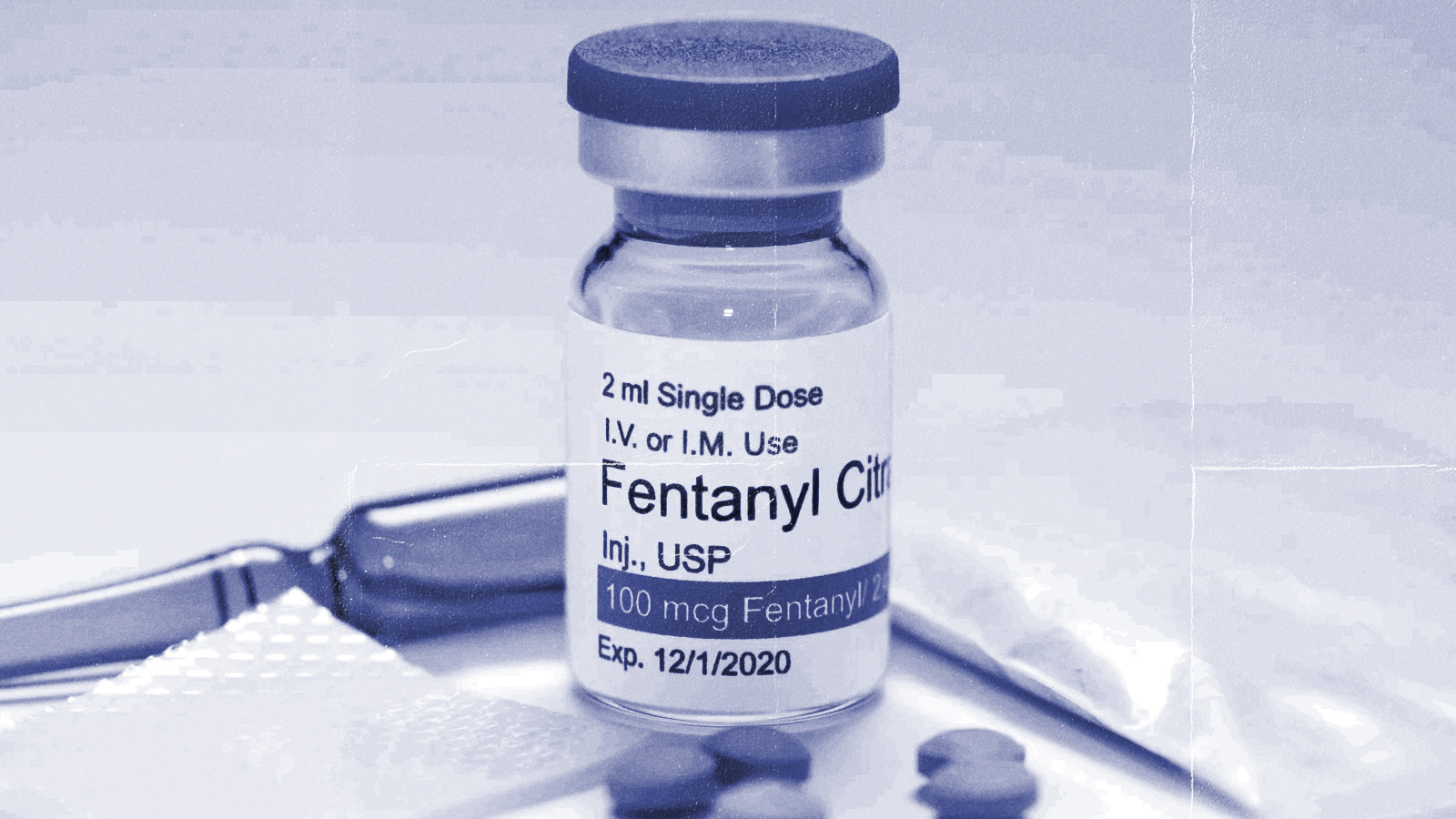
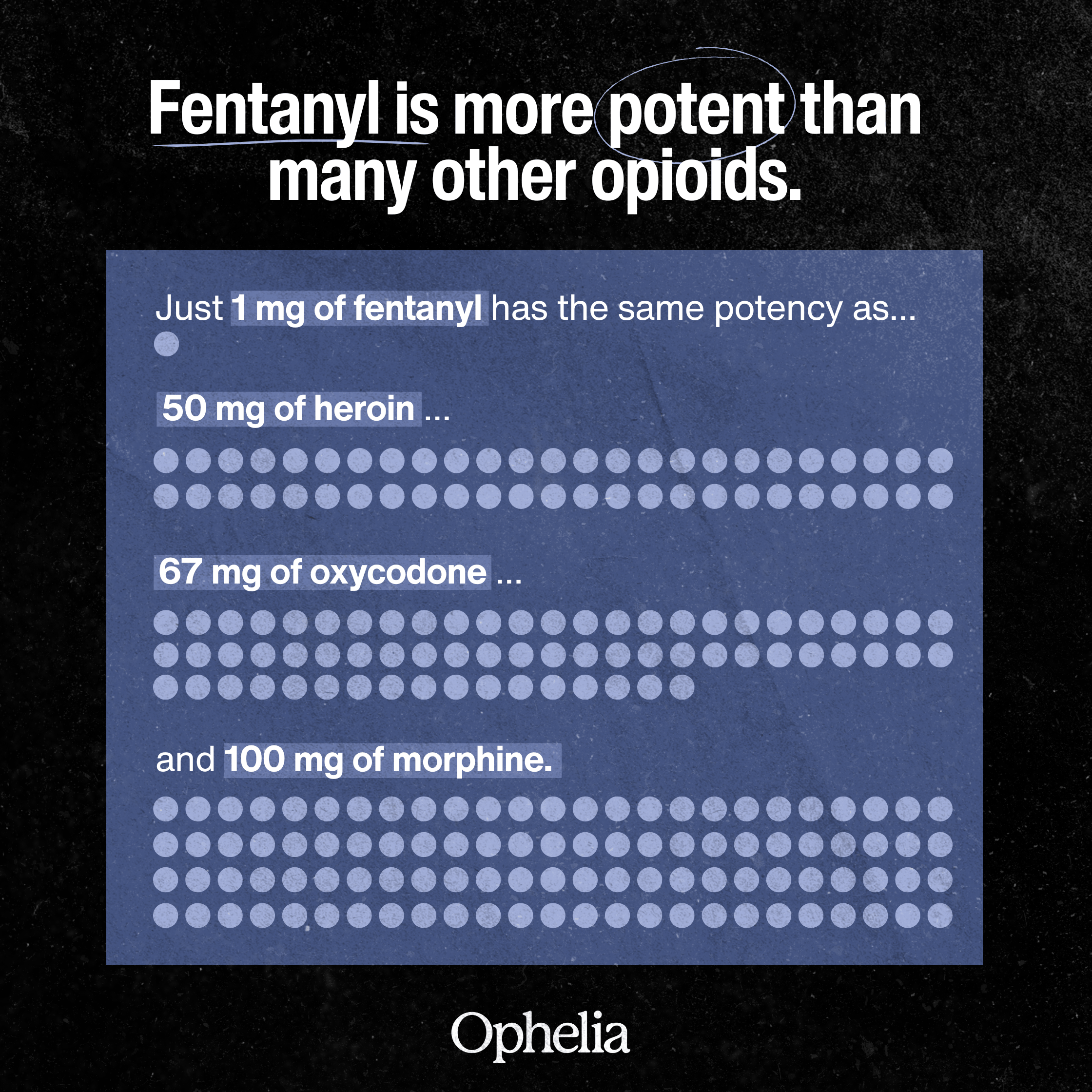
Pharmaceutical fentanyl is a powerful synthetic opioid. It’s used in clinical settings to manage severe pain, such as after surgery or for cancer that no longer responds to other medications. [2] It’s about 100 times more potent than morphine (another strong opioid used to treat pain), which is why it’s often reserved for severe chronic pain, or episodes of pain that occur despite consistent, ongoing treatment. [3] [4] However, most fentanyl-related overdoses and withdrawal cases today involve illicitly manufactured fentanyl found in the unregulated drug supply.
That supply often contains not just fentanyl, but fentanyl analogs and other highly potent synthetic opioids, including substances like carfentanil and nitazenes. These drugs can vary widely in potency, duration, and, in part, how they affect the body.
Over time, the body adapts to having fentanyl in its system, leading to:
- Tolerance. This means you need more of the drug to feel the same effects.
- Physical dependence. When the body feels like it must rely on the drug to function normally.
If you cut back on fentanyl use or stop it entirely, your body has to adjust quickly, which spurs a wide range of withdrawal symptoms.
How fentanyl affects the brain and body
Fentanyl works by binding to opioid receptors in the brain. This can:
- Reduce pain
- Slow breathing
- Produce feelings of calm or euphoria
With repeated use, the brain adapts to fentanyl's presence and dials back its own natural pain-relief system, so when fentanyl is suddenly gone, the nervous system overreacts.
When fentanyl is no longer there, the body goes into a kind of rebound state. During this time, pain sensitivity and stress signals intensify. In other words, you may feel like you’re stuck on high alert, and aches and pangs may feel way more intense than usual.
Why fentanyl withdrawal can feel different from other opioids
Fentanyl behaves differently from most other opioids. Some key reasons why withdrawal can feel more intense include:
- It’s extremely potent, which can lead to stronger dependence
- It’s often mixed with other substances, sometimes without people knowing
- It doesn’t always leave the body in a predictable way, which can delay the withdrawal timeline
Common symptoms of fentanyl withdrawal
We’re not going to beat around the bush: Withdrawal can be very uncomfortable. For many people, it feels like having a severe case of the flu coupled with anxiety and restlessness.
Understanding fentanyl withdrawal symptoms ahead of time can help you prepare and recognize that what you’re experiencing is both normal and temporary.
Physical symptoms
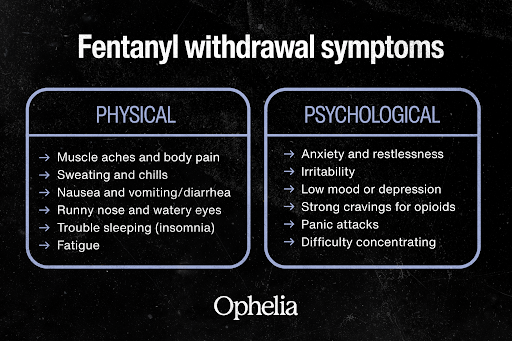
Fentanyl withdrawal affects nearly every bodily system. Common physical symptoms include:
- Muscle aches and body pain
- Sweating, chills, and goosebumps
- Nausea, vomiting, and diarrhea
- Runny nose and watery eyes
- Trouble sleeping (insomnia)
- Increased heart rate
- Fatigue
Psychological symptoms
Withdrawal isn’t just physical. The mental and emotional side can be just as challenging. Symptoms include:
- Anxiety and restlessness
- Irritability
- Low mood or depression
- Strong cravings for opioids
- Difficulty concentrating
Fentanyl withdrawal timeline
Given that fentanyl isn’t like most other opioids, its withdrawal timeline is also more unique. Still, there’s a general pattern most people experience.
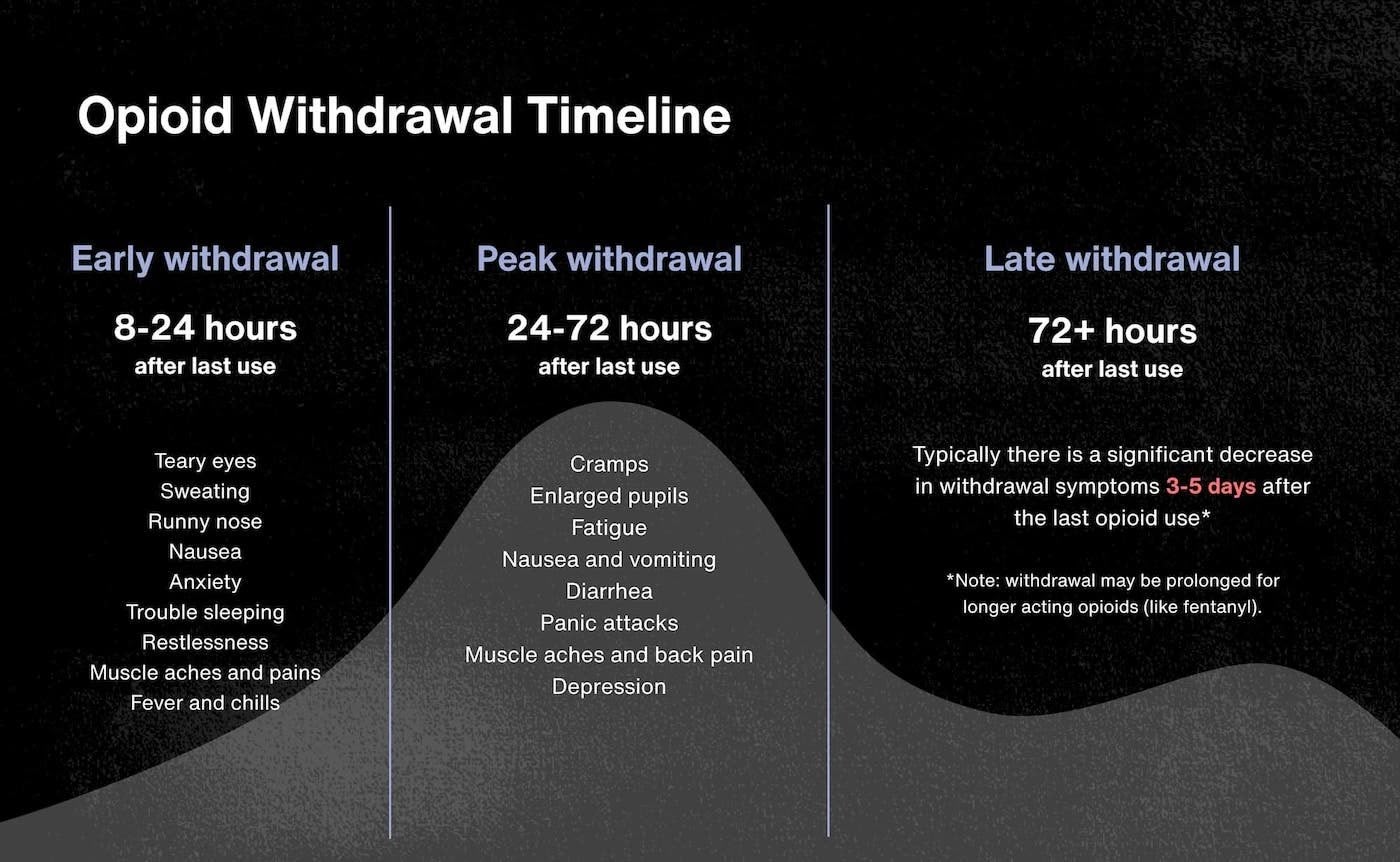
Typical timeline:
- Starts within eight to 24 hours after the last use
- Peaks within 24-72 hours
- Improves after three to seven days (though some symptoms may last longer)
Keep in mind that fentanyl can linger in the body longer than you might expect, which can shift any part of the above timeline.
Early withdrawal (first 8–24 hours)
Symptoms can appear within the first day after the last dose. These include:
- Anxiety
- Trouble sleeping
- Restlessness
- Muscle aches
- Teary eyes
- Sweating
- Chills or mild fever
This stage can feel like something is “off” before symptoms fully ramp up.
Peak withdrawal symptoms (24-72 hours)
This is typically the most intense phase. Symptoms may include:
- Severe nausea and vomiting
- Diarrhea
- Abdominal cramps
- Panic attacks
- Depression
- Strong cravings
This stage can feel overwhelming, and it’s often when people are most at risk of returning to fentanyl use to combat these symptoms quickly.
Note: If your symptoms feel unmanageable, it’s important to seek immediate medical support.
Late withdrawal (72+ hours)
After a few days, physical symptoms usually begin to ease. However, some symptoms, such as the ones below, can linger. These include:
- Fatigue
- Irritability
- Anxiety
- Insomnia
- Low mood
Fentanyl is highly fat-soluble, meaning it can accumulate in the body with prolonged use, which may extend withdrawal symptoms, sometimes lasting a week or longer.
What makes fentanyl withdrawal different
Withdrawal from fentanyl isn’t as predictable as it is with other opioids. Two people who used the drug at about the same frequency and dose can have very different withdrawal experiences. Potency and how the drug stores in the body are the main contributors.
Higher potency and increased tolerance
As mentioned above, fentanyl is significantly more potent than many other opioids.
That means the body adapts quickly, tolerance builds fast, and withdrawal can, in part, feel more intense. Even small changes in use can trigger noticeable symptoms.
Risk of prolonged or delayed withdrawal
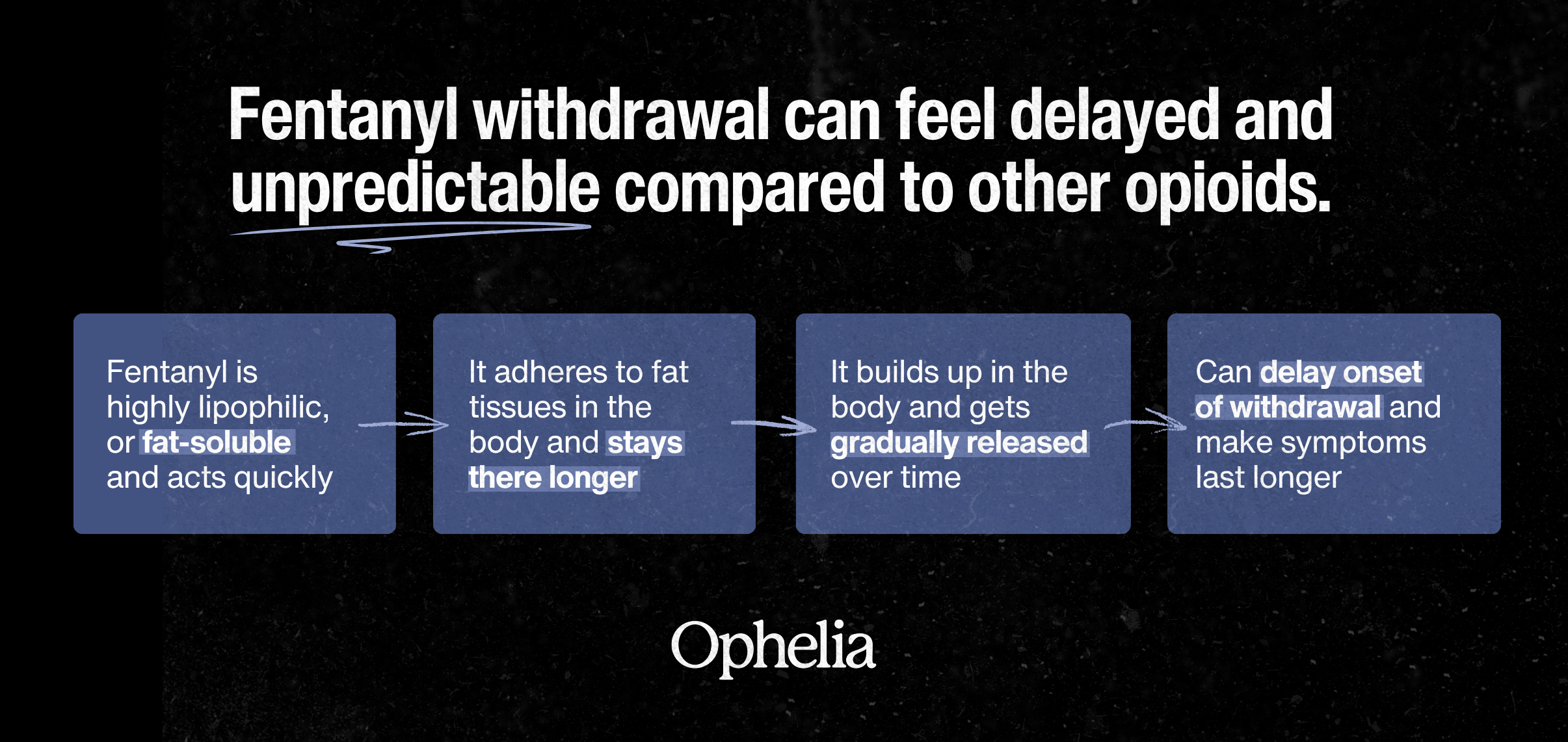
Fentanyl is highly lipophilic, or fat-soluble, meaning it adheres to fat tissues in the body and stays there. [5] The more the drug builds up in these tissues all over your body, the more it gradually releases it over time directly into your bloodstream.
This can lead to delayed withdrawal onset, longer-lasting symptoms, and less predictable withdrawal timing. Fentanyl’s fat-soluble properties may also contribute to precipitated withdrawal, which can happen if medications, such as buprenorphine or naltrexone, are started too soon, or before enough fentanyl has cleared the body.
What affects withdrawal severity and duration
Fentanyl addiction is a treatable condition, but no two withdrawal experiences look the same. Several factors influence how intense symptoms are and how long they last, including how often the drug was used and your own unique makeup.
Frequency and duration of use
How often and how long fentanyl is used can affect the degree of physical dependence that develops. Withdrawal severity generally reflects that dependence, and it tends to be influenced by how much fentanyl was used, how often it was used, and for how long.
Polysubstance use
If fentanyl is used alongside other substances, such as benzodiazepines, alcohol, or stimulants, withdrawal can become more complex. This can introduce additional symptoms and increase the risk of complications, especially if multiple substances are affecting the body at once.
Individual health and metabolism
Your body also plays a role in how withdrawal feels. Factors like overall physical health, body composition, and mental health can all affect how symptoms show up and how long they last. This is a major reason why withdrawal can look so different from person to person.
Access to treatment and medications
When it comes to withdrawal and recovery from addiction, support matters a lot. With the right treatment, withdrawal symptoms can be reduced, cravings can be managed, and the process becomes more tolerable overall. Without support, withdrawal can feel more challenging and isolating, making it much easier to return to use.
Managing fentanyl withdrawal
The truth is, withdrawal symptoms aren’t preventable. But you can make them more tolerable with the right support and tools.
Medications used to reduce withdrawal symptoms
Both prescription and over-the-counter options can help ease fentanyl withdrawal symptoms.
Medication-assisted treatment (MAT)
Prescription medications like Suboxone (buprenorphine/naloxone) are commonly used to manage opioid use disorder. [6] This oral remedy helps reduce withdrawal symptoms, decrease cravings, and stabilize the body.
When taken as prescribed, these medications don’t produce the same “high” as fentanyl.
Non-opioid OTC medications
Some symptoms can be managed with over-the-counter medications and supportive measures, including:
- Anti-diarrheal medications (Imodium®)
- Anti-inflammatory pain relievers (NSAIDs), such as Motrin® and Advil®
These medications can make symptoms more manageable.
Comfort measures
Simple lifestyle habits can help prepare your body for withdrawal symptoms. For example, staying hydrated with fluids and electrolyte drinks like Gatorade or Pedialyte, eating small and easy-to-digest meals, and resting when you can all help your body cope. Distractions such as watching TV, listening to music, or talking with someone you trust can also make withdrawal feel a little more manageable.
The goal here isn’t to do everything perfectly. Small steps like these can make a difference.
Social and psychological support
Withdrawal can feel isolating, which is why it’s so important to rely on your support network and care team. That might mean asking a few friends or family members to regularly check in, talking with a counselor, or working with a care team. Even small moments of human connection can help you get through difficult stretches. Remember, you never have to go through any of this alone.
When fentanyl withdrawal becomes dangerous
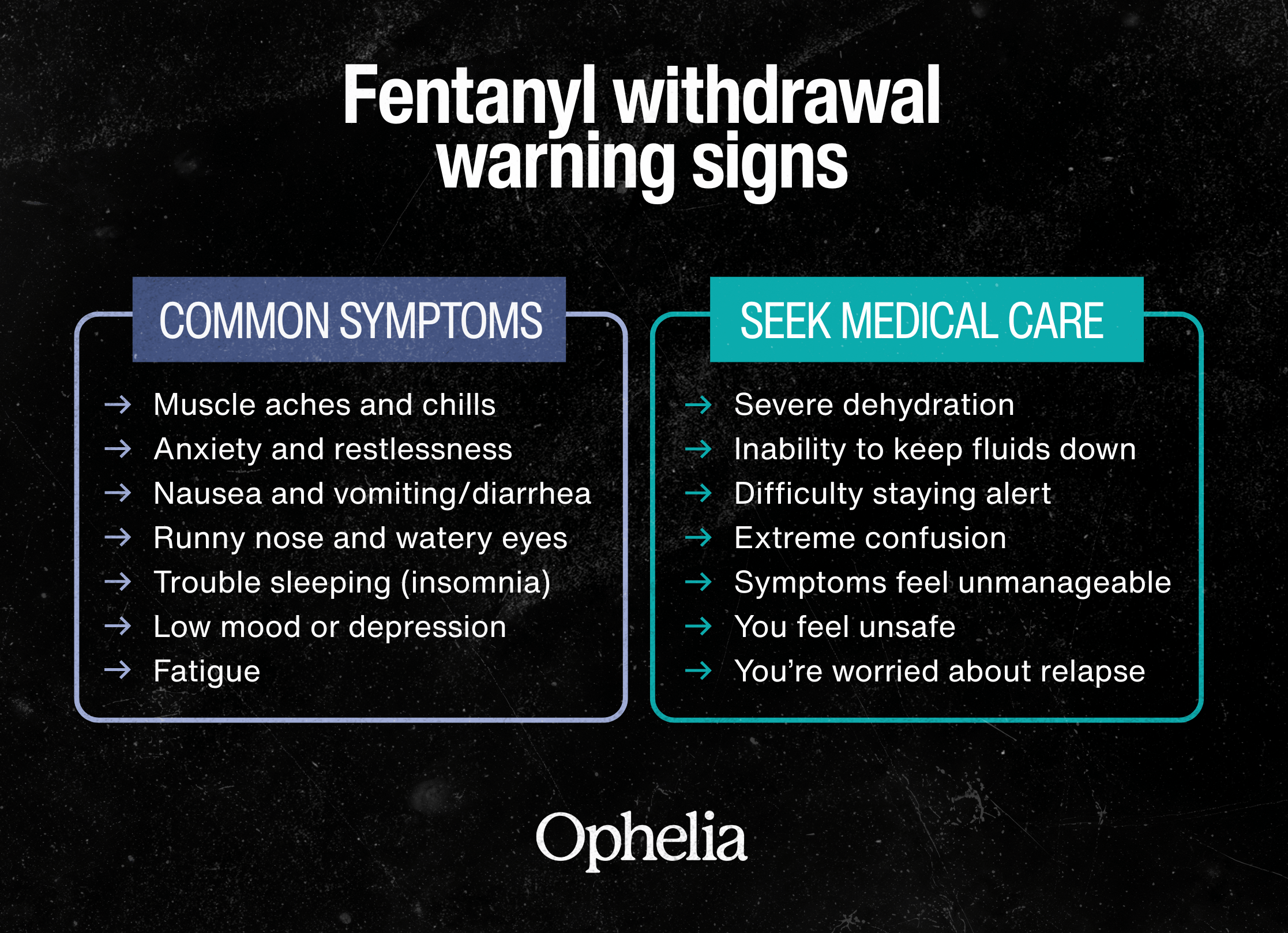
Withdrawal is rarely life-threatening, but the complications that can arise from it can be. That’s why it’s so important to remain vigilant of any warning signs and complications. Don’t push through these symptoms:
- Severe dehydration from vomiting or diarrhea
- Inability to keep fluids down
- Confusion or difficulty staying alert
- Worsening mental health symptoms
When to seek medical care
If your symptoms feel unmanageable, or you feel unsafe, concerned about relapse, or unable to keep fluids down and stay hydrated, you must get checked out by medical professionals immediately.
How Suboxone can help with fentanyl withdrawal
Suboxone is one of the most effective medications for managing opioid use disorder (OUD) and can play a key role in easing fentanyl withdrawal. It works by reducing withdrawal symptoms, lowering cravings, and helping stabilize the body so you can function better as you move through the withdrawal timeline.
When taken as prescribed, Suboxone helps stabilize the body’s opioid receptors, which can reduce withdrawal symptoms and cravings. It’s most effective as part of ongoing care, not just short-term symptom relief. Long-term treatment can lower the risk of relapse and help people maintain stability over time.
At Ophelia, licensed clinicians provide evidence-based Suboxone treatment through secure telehealth visits. That means care that fits into your life, without waiting rooms or having to travel or take time off from work. You can connect with a care team, get a personalized treatment plan, and manage symptoms from home.
FAQs about fentanyl withdrawal
When does fentanyl withdrawal start?
It usually begins within eight to 24 hours after the last use, but withdrawal timelines rarely look the same in each person. It often depends on how fentanyl is processed in your body.
What does fentanyl withdrawal feel like?
Fentanyl withdrawal is both physical and psychological. Many people describe it as a mix of severe flu-like symptoms, anxiety and restlessness, and strong cravings.
Is fentanyl withdrawal worse than other opioids?
Yes, it can feel more intense or unpredictable due to fentanyl’s potency and how it’s stored (in fat tissues).
How long does fentanyl withdrawal last?
Everyone is on a different timeline, but the most intense symptoms usually last a few days. Though other symptoms, like insomnia or a blue mood, can last longer.
Can you die from fentanyl withdrawal?
Withdrawal itself is rarely fatal. But complications from it, such as severe dehydration or returning to use after a period of abstinence, can be dangerous. If something doesn’t feel right, it’s always a good idea to contact your care team or seek immediate medical attention.
Does Suboxone help with fentanyl withdrawal?
Yes. When started at the appropriate time by informed clinicians, Suboxone can reduce withdrawal symptoms and cravings. It’s also one of the most effective long-term treatments for opioid use disorder.
Sources
- Fentanyl | National Institute on Drug Abuse (NIDA)
- Notes from the Field: Suspected Medetomidine Withdrawal Syndrome Among Fentanyl-Exposed Patients — Philadelphia, Pennsylvania, September 2024–January 2025 | MMWR
- Fentanyl FAQ (Frequently Asked Questions)
- Fentanyl Side Effects, Overdose and Withdrawal | Your Room
- Common questions about fentanyl - NHS
- Practical Tools for Prescribing and Promoting Buprenorphine in Primary Care Settings | SAMHSA Library
- Precipitated Withdrawal in the Era of Street Fentanyl—The Important Thing Is to Not Stop Questioning
- Buprenorphine-Precipitated Withdrawal Among Hospitalized Patients Using Fentanyl | Clinical Pharmacy and Pharmacology | JAMA Network Open
- Buprenorphine Initiation in the Era of High-potency Synthetic Opioids
- Fentanyl withdrawal: Understanding symptom severity and exploring the role of body mass index on withdrawal symptoms and clearance - PubMed


