

Everything you need to know about 7-OH so you can decide what’s right for you.
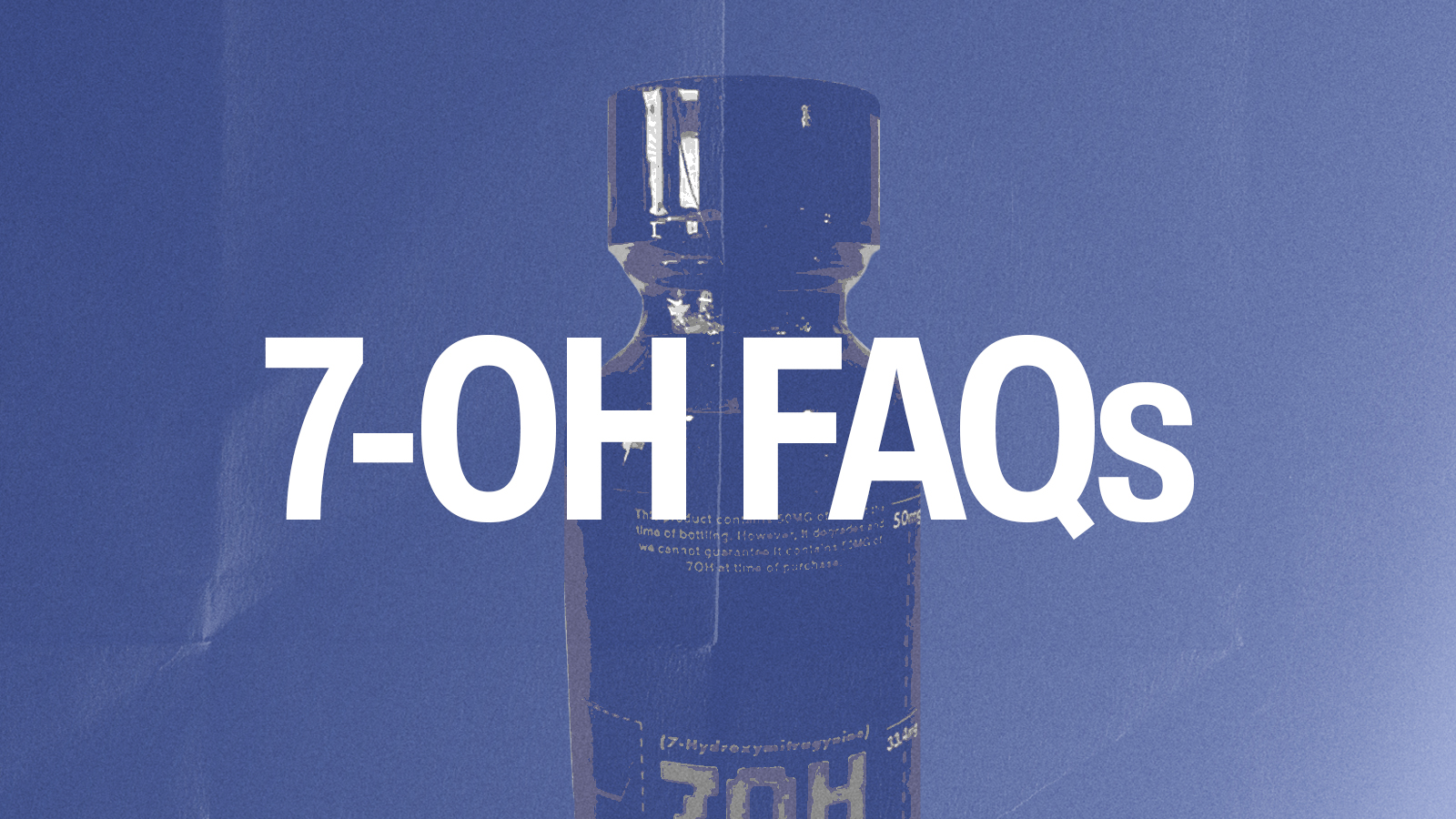
7-OH, short for 7-hydroxymitragynine, is a powerful opioid-like substance increasingly found in products sold as kratom. You may see 7-OH behind the counter at corner stores, smoke shops, or gas stations—often labeled “legal,” “herbal,” or “natural.” The packaging can look harmless. The risks are not. At Ophelia, we’re seeing more and more people struggling with 7-OH, often without realizing what it actually is until it becomes a problem. This post breaks down what 7-OH is, why it’s especially dangerous, and what’s true (and not true) about treatment with Suboxone® (buprenorphine/naloxone).
What is 7-OH?
7-OH (7-hydroxymitragynine) is a powerful opioid-like compound related to kratom. Here’s the key thing to know:
- Traditional kratom leaf contains very small amounts of 7-OH, often combined with other alkaloids with positive/balancing effects
- Many products sold today are concentrated or contain only lab synthetized 7-OH, delivering strong, prescription opioid-type effects
7-OH binds strongly to the same receptors in the brain as heroin, fentanyl, or prescription painkillers. Because of that, it can cause:
- Tolerance
- Psychological and Physical dependence
- Withdrawal
- Breathing suppression
- Overdose, especially when combined with other sedatives or alcohol
Why is 7-OH so risky?
It’s much stronger than most people expect. 7-OH is far more potent than whole-leaf kratom, and as people increase the dose over time, it can start to behave more like a prescription opioid, with a higher risk of dependence, withdrawal, and even overdose, especially when combined with alcohol, benzodiazepines, or other sedatives. Another problem is unpredictability: the amount of 7-OH in products can vary widely, so the same “dose” can produce very different effects from one product, or even one batch, to the next.
Most 7-OH products:
- Are not regulated
- May have inaccurate or missing labels
- Can vary batch to batch, even within the same brand
A common myth we hear about 7-OH (and why it matters)
You may have heard something like: “7-OH detox only lasts a week. But medication treatment means you’ll be sick for a month.” This idea gets repeated a lot online but it doesn’t reflect what we see clinically. What’s actually true
- Withdrawal length depends on the substance, the dose, and the person
- There is no guaranteed ‘easy’ or one-week detox from 7-OH
- Many people experience intense symptoms that last weeks or longer
Common symptoms include:
- Anxiety or panic
- A sense of dread or depression
- Trouble sleeping
- Restlessness
- Muscle or bone pain
- GI issues
- Cravings that don’t quickly fade
Because 7-OH is potent and often taken daily or in high doses, withdrawal can feel unexpected and overwhelming.
Can you get addicted to 7-OH?
Many people don’t set out to use something dangerous. 7-OH is often sold as:
- “Kratom”
- “Herbal”
- “Legal”
- “Natural”
It’s available without a prescription, and there’s often little education at the point of sale. By the time withdrawal shows up, people are already physically dependent.
Signs 7-OH may be controlling more than you want
You might recognize some of these:
- You need more to feel the same effect
- You feel sick, anxious, or off if you miss a dose
- You’ve tried to stop and couldn’t
- Your sleep, mood, or focus has changed
- You find yourself hiding or downplaying use
- You are spending a lot of money!
If this feels familiar, it doesn’t mean anything bad about you. It means your body adapted and support can help.
If you’re thinking about stopping
You don’t have to decide everything right now. Just knowing your options matters. What can help:
- Avoiding mixing 7-OH with alcohol, benzodiazepines, or other opioids
- Talking with a medical professional who understands opioid-like substances
- Learning about medically supported ways to stop, including gradual and safer approaches
If you’re unsure what to do next, talking to a clinician confidentially can help you understand your options and take the next step safely.
Sources


