

The fight against the opioid epidemic remains defined by frustrating realities: stigma, fragmented care, and regulatory barriers that keep life-saving treatment out of reach for millions. Access to care should be a given, not an exception. In 2025, we focused on clearing those hurdles. This year, we won legislative battles, used data to fight for better insurance coverage, and refined our model to serve our patients and partners better than ever. Here are just some of the initiatives that we are proud of:
1. Cleared the path for life-saving care in Delaware
For years, access to life-saving treatment was blocked in Delaware, a state with one of the nation's highest opioid overdose rates. We worked with the Delaware legislature, proposing through our Senate and House sponsors, to update Delaware’s law. This policy change immediately clarified the ability to prescribe via telemedicine, ensuring that every Delawarean struggling with OUD can now access evidence-based, low-barrier care.
2. Backed our model with peer-reviewed data on patient stability and retention
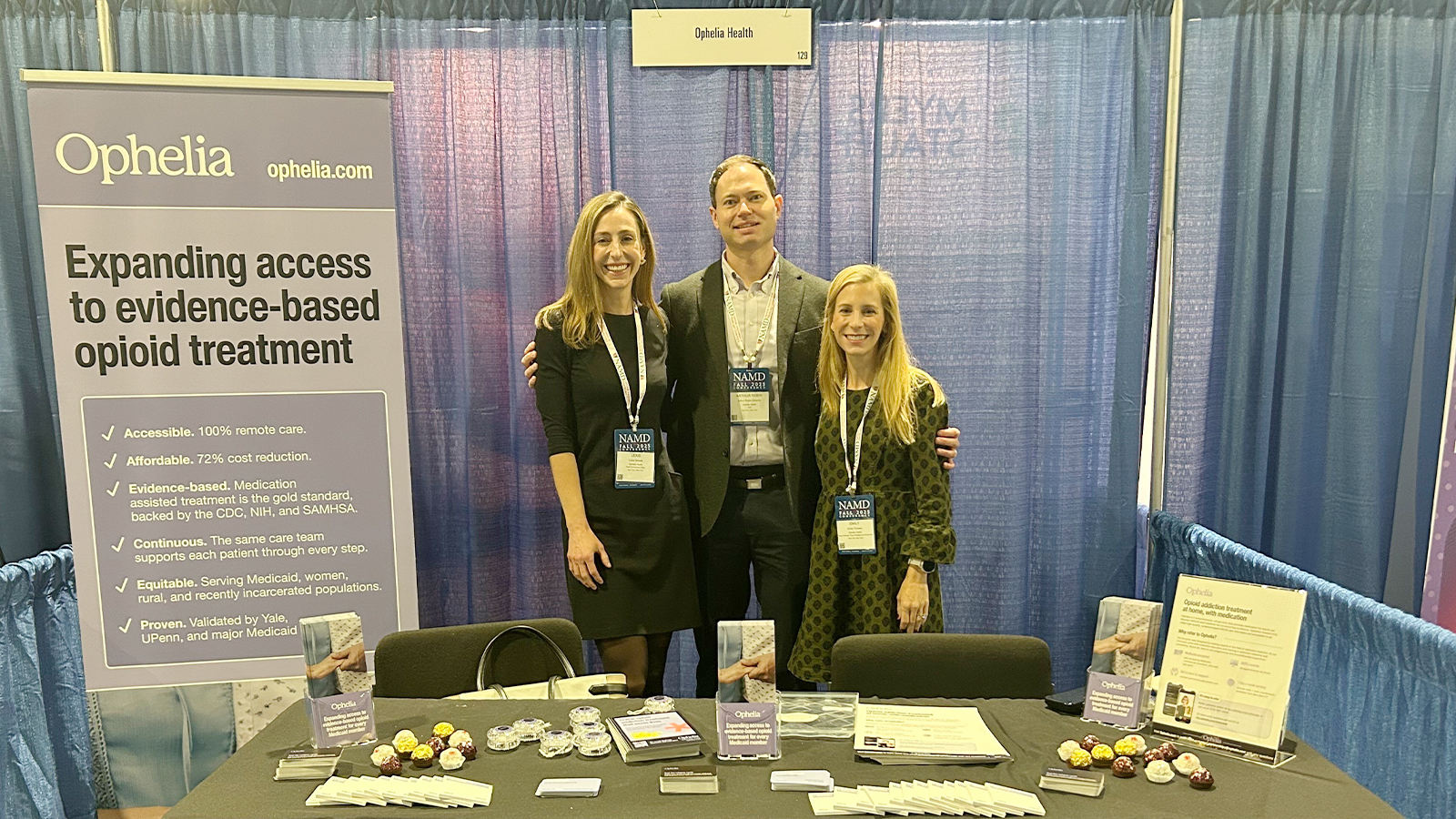
We shared our peer-reviewed research at the Medicaid Health Plans of America (MHPA) conference to prove a simple point: when patients have in-network coverage, they stay in treatment longer. Our clinicians also represented Ophelia at ASAM, presenting research that shows that most patients initiating care at Ophelia achieved or sustained high levels of recovery capital at follow-up, and high baseline recovery capital was positively associated with retention in treatment.

3. Launched a bridge clinic to provide treatment within hours, not weeks
Recognizing that time is a critical factor in saving a life, we launched a dedicated bridge clinic to ensure patients can access life-saving treatment faster than ever before. This initiative dramatically reduces the waiting period for essential buprenorphine management and support.
4. Built, and continue to build, a network of trust with referral partners
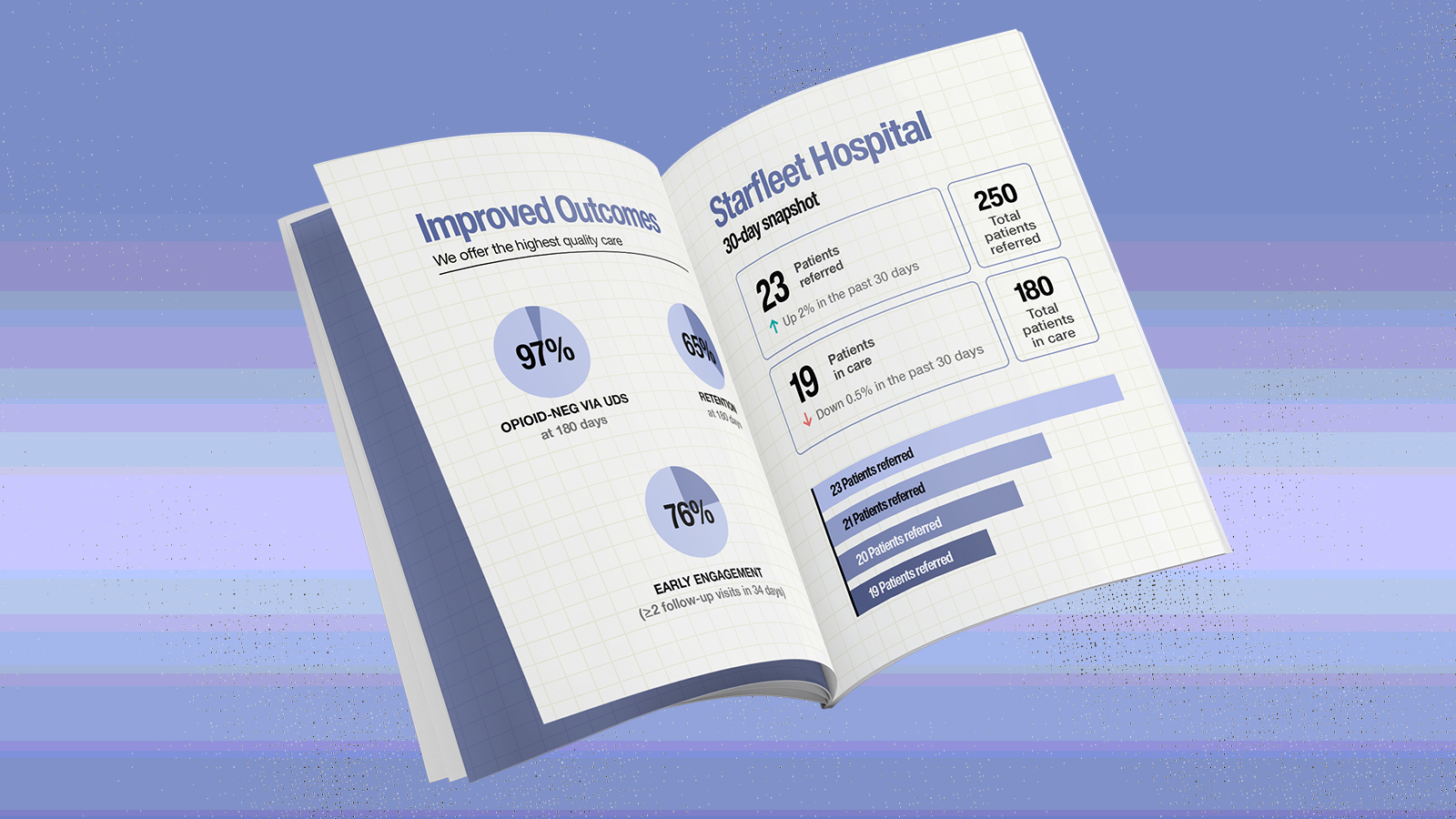
Coordination between providers is essential to ending the OUD epidemic. We launched the Partners Portal, a collaborative hub for partners that makes referring, tracking, monitoring and supporting referred patients easier, faster and more integrative. In addition, we implemented transparent referral reporting, giving our trusted partners real-time visibility into the care journey of the patients they refer. This transparency accelerates the successful transfer of patients into long-term care and fosters better communication, ensuring that everyone in the patient's care network is aligned for the best possible outcome.

5. Gave patients more control of their care and a smoother experience
We believe treatment should fit into your life, not the other way around. This year, we added multilingual support and self-scheduling tools so you can manage your own appointments. We also created a "Fast Track" for patients transferring from other providers and began piloting long-acting injectable options (LAIB) with local pharmacies to offer more choice in how you receive care. Additionally, we introduced new re-engagement outreach and SMS support to help those who have missed visits reconnect with care, ensuring no one is left behind as they navigate their health journey.
6. Forged new partnerships to deliver whole-person care and expand affordability
Opioid use disorder doesn't happen in a vacuum. This year, we teamed up with Brave Health and Spring Health to connect our patients with mental health services alongside their addiction treatment. We also expanded our in-network footprint with major health plans, including expanding our relationships with Highmark, UPMC and Horizon Blue Cross Blue Shield.
7. Empowered patients with tools to manage cravings
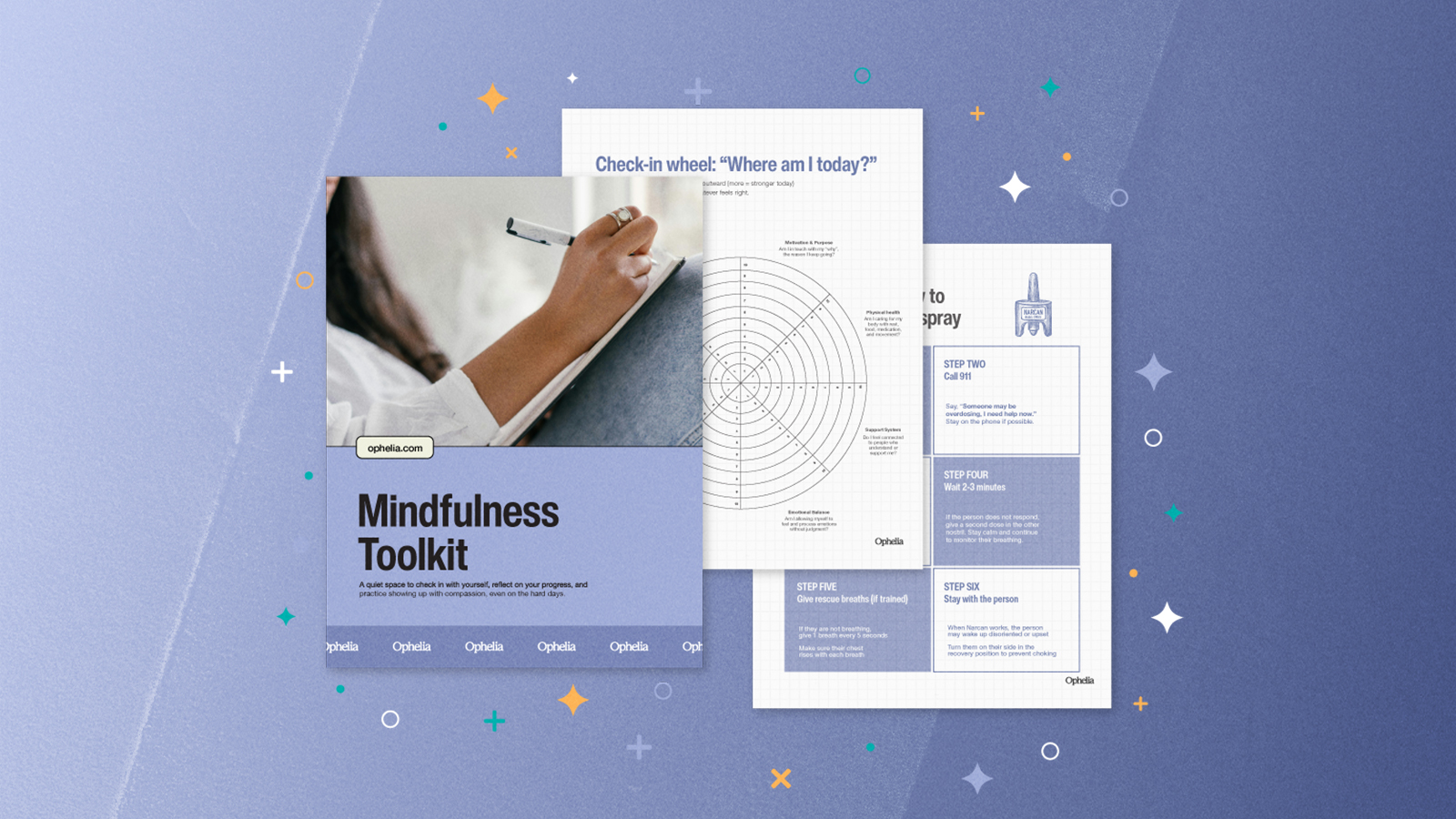
Cravings don’t follow a schedule, so we introduced our Mindfulness Toolkit. It’s a grounding companion filled with coping tools, mazes, and reflective prompts designed to help patients manage difficult moments whenever they need support. By providing these resources, we ensure our patients have a tangible way to stay centered and redirect their focus during the critical hours between their appointments.

8. Addressed the reality of co-occurring conditions
As the drug market evolves and new substances emerge, our clinical approach adapts to meet the specific needs of our patients. We recognize that opioid use disorder rarely exists by itself, which is why nearly half (47%) of our patients receive treatment for a co-occurring behavioral health condition. Additionally, one in ten of our patients is treated for a co-occurring stimulant use disorder.

9. Marked five years of showing up
This year we celebrated five years of redefining what OUD treatment looks like. This milestone is a testament to the stability and expertise we bring to our patients. We’ve spent half a decade refining a model that cuts through the noise and delivers real results.
The status quo in addiction care is broken, but we’ve spent 2025 proving it can be fixed. In 2026, we’re going to keep moving the goalposts until high-quality treatment is the standard, everywhere.
Sources


