

Round-the-clock care from people that get you
Treatment that fits into your life, not the other way around
Private, affordable, and fast


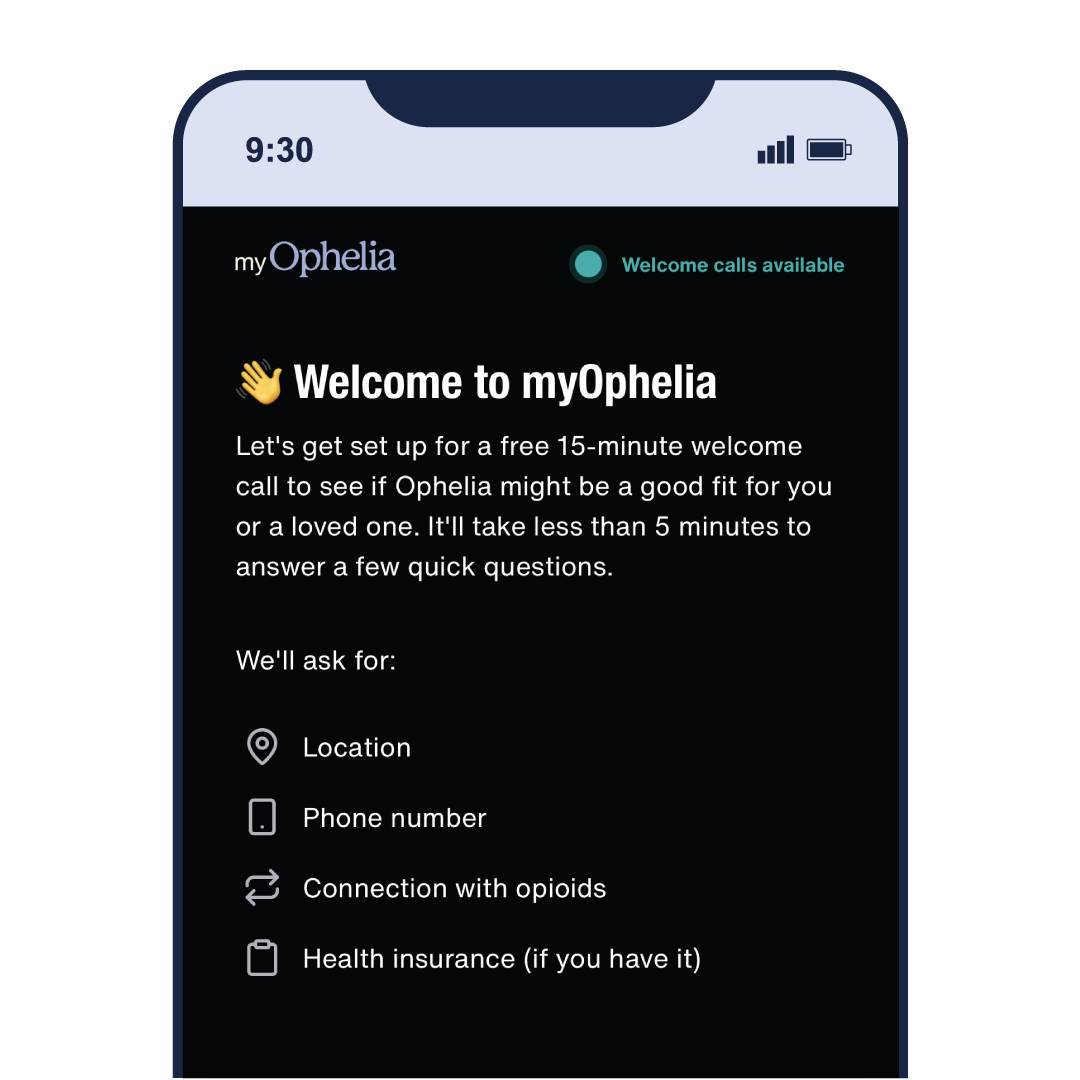
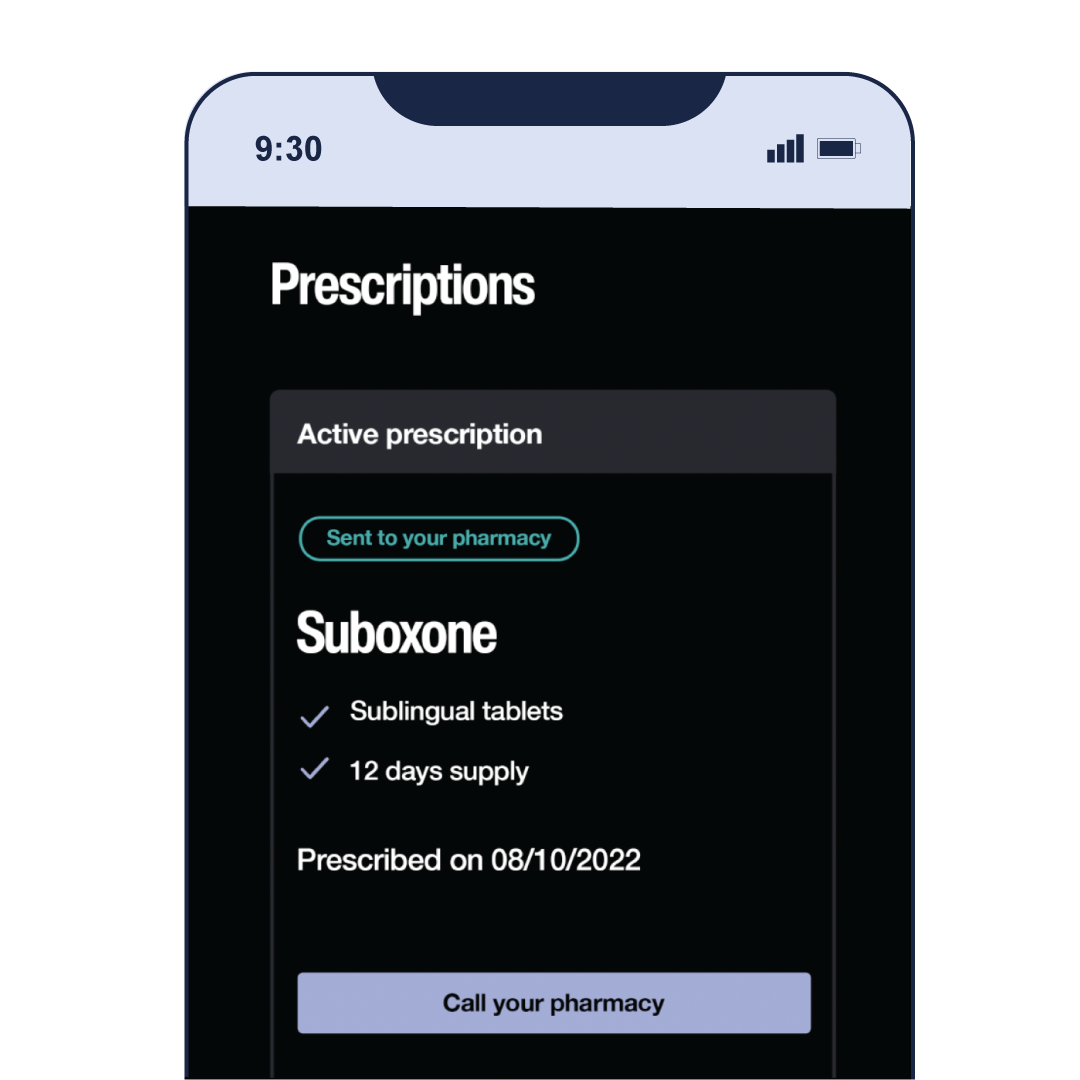



We use buprenorphine/naloxone (Suboxone), an evidence-based, FDA-approved medication for opioid use disorder. Care follows established addiction medicine protocols, with regular follow-up and medication adjustments based on how you're doing.
You’re matched with a dedicated care team that knows your history and follows your progress over time. Message your team between visits, schedule follow-ups based on your needs, and adjust your plan as your situation changes.
Opioid addiction treatment is what we do. Our clinicians are trained in addiction medicine and understand how cravings, withdrawal, relapse risk, and co-occurring mental health conditions interact. That depth of experience shapes every treatment decision.



I have been a patient with Ophelia for over a year now, and I can say with total confidence that they have been a vital part of my journey.

This place is like no other, humanity, respect, dignity and friendship. I love my monthly meetings. They dont make you feel ashamed or embarrassed for choices made in the past.
Ophelia has been a life saver for me! Very friendly, respectful, and professional. Easy to work with, and great with scheduling. Very highly recommend for your recovery journey.
I’ve been with Ophelia Health for about 2½ years, and they’ve been amazing. Their online Suboxone treatment makes appointments and prescription refills easy, which has helped me stay sober.
I prefer this method over a methadone clinic or going to the streets to get something that could kill me. Highly recommended for people who are willing to get off the street drugs.
No. Medication-assisted treatment (MAT) uses FDA-approved medications to stabilize brain chemistry and reduce cravings and withdrawal. When taken as directed and monitored by a clinician, these medications lower overdose risk and help patients achieve long-term stability.
There isn’t a fixed timeline for medication-assisted treatment. Many clinicians recommend remaining on medication for as long as it’s helpful.
Treatment duration is individualized and reassessed over time. Ongoing medication management is a normal part of treating opioid use disorder, and decisions are made based on clinical guidance and patient stability.
Suboxone is started when you’re in mild to moderate withdrawal to prevent precipitated withdrawal. Your clinician will give you clear instructions on when to begin, which typically means waiting 24–72 hours after your last opioid use, depending on the type of opioid.
You may still experience some discomfort during this period, although these symptoms are likely to be minor compared to cold turkey withdrawal. Clinicians often prescribe comfort medications during induction to help manage withdrawal symptoms.
Yes. Opioid use disorder is a chronic medical condition, and relapse can happen. Many patients need adjustments to their treatment over time.
If cravings return or opioid use resumes, restarting or continuing medication-assisted treatment (MAT) can help reduce overdose risk and stabilize symptoms. The most important step is being open with your clinician so they can reassess your needs and update your treatment plan accordingly.

We, and our third-party partners, use cookies, and other technologies to automatically collect, record, and share information you provide, as well as information about your interactions with, our site for ad targeting, analytics, personalization, and site functionality purposes. By continuing to use this site, you agree to the use of these technologies (as described in our Privacy Policy) and our Terms of Use (which contains important waivers).