
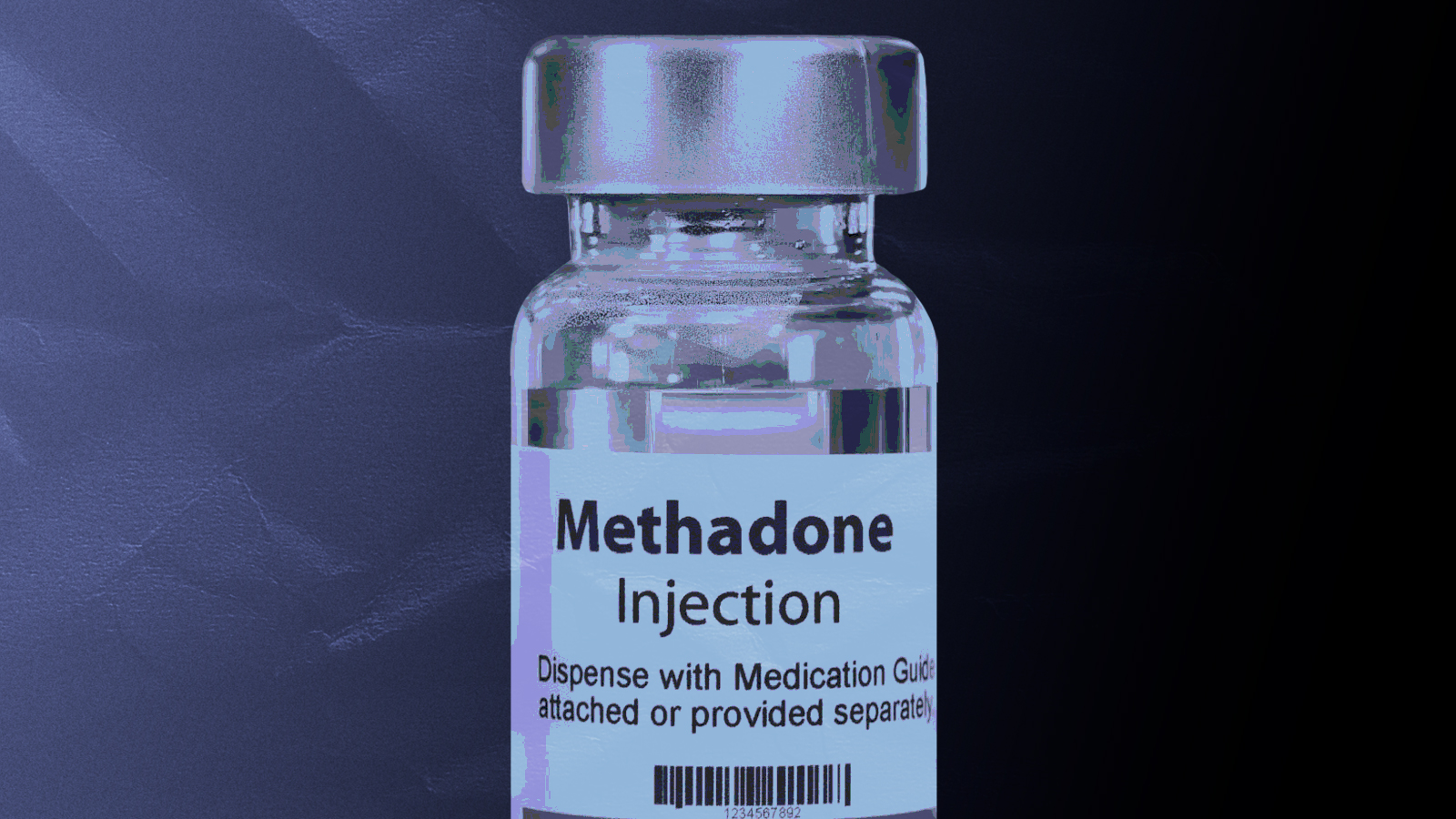

If you're taking methadone for opioid use disorder (OUD), you may eventually consider switching to Suboxone. Switching medications is possible, but it does require careful planning with a clinician. Methadone stays in the body longer than most opioids, which means timing matters when starting Suboxone.
In this guide, we’ll explain how the transition works, why it needs to be done carefully, and what to expect if you and your clinician decide to make the switch.
Methadone vs. Suboxone: key differences
Methadone and Suboxone are both medications used to treat opioid use disorder. They help reduce cravings and withdrawal symptoms, but they work differently, and they’re prescribed in different care settings.
Both medications are evidence-based treatments and are widely used by clinicians to treat opioid use disorder.
Why people consider switching from Methadone to Suboxone
People consider switching from methadone to Suboxone for several reasons. For some, it’s about flexibility in how care is delivered. For others, it may be related to side effects or other health considerations. A clinician can help determine whether switching medications makes sense based on your treatment history and overall health.
Fewer required clinic visits
Methadone treatment often requires regular visits to a dispensing clinic, especially early in treatment. For people balancing work and family responsibilities, that schedule can be hard to maintain.
Suboxone is usually obtained with a prescription from a clinician and filled at a pharmacy. In many cases, care can be managed through scheduled clinician visits (often through telehealth), which can offer more flexibility than Methadone treatment.
Fewer or milder side effects
Methadone can cause side effects such as drowsiness, constipation, sweating, or dizziness for some people.
Suboxone can also cause side effects. Common ones include headache, nausea, constipation, or trouble sleeping. Because Suboxone contains buprenorphine, a partial opioid agonist, its opioid effects level off after a certain dose. For some people, this can make the medication feel more stable or easier to tolerate than full opioid agonists.
If side effects from Methadone are interfering with daily life, a clinician may recommend discussing whether a medication like Suboxone could be a better fit.
Lower risk of misuse
Suboxone contains two active ingredients that work together to reduce the risk of misuse. Buprenorphine has what clinicians call a "ceiling effect" - after a certain dose, the medication's opioid effects level off, meaning taking more doesn't produce a greater high. Suboxone also contains naloxone, which remains inactive when the medication is taken as directed. However, if someone attempts to misuse it by injecting it, the naloxone activates and triggers immediate withdrawal, acting as a built-in deterrent.
This makes misuse less likely compared with full opioid agonists like Methadone. Because of this, many clinicians recommend buprenorphine-based medications for patients who are stable in treatment.
Reduced stigma
Some people feel uncomfortable attending a daily clinic for medication. Switching to Suboxone may allow treatment through regular clinician appointments instead of daily clinic dosing. For some patients, that added privacy can make treatment easier to continue.
Health considerations
Methadone can affect heart rhythm in some patients. If you have certain cardiac risk factors or other medical conditions, a clinician may discuss whether another medication could be a better fit.
Who is a good candidate for switching to Suboxone?
Not everyone taking methadone should switch medications. For some people, methadone continues to work well and remains the best option. A clinician will look at several factors before recommending a switch to Suboxone.
Situations where switching may be considered include:
- Lower methadone dose. Transitions are often easier when the methadone dose has been tapered to a lower range (often around 30–50 mg or less).
- Stability in treatment. People who are stable on their current medication may be better positioned to transition safely.
- Interest in a different treatment structure. Some people prefer a treatment option that doesn’t require frequent clinic visits.
- No medical reasons to remain on methadone. A clinician will review your overall health to make sure switching is safe.
However, switching may not be recommended if:
- Methadone treatment is already working well, and side effects are manageable.
- The risk of withdrawal during the transition is too high.
- Certain medical conditions make methadone the safer option.
When discussing a possible switch with your provider, you might talk through questions like:
- Is my current methadone dose low enough to transition safely?
- How long would the transition take?
- What withdrawal symptoms can I expect during the process?
A clinician can review your treatment history, current dose, and overall health to help determine whether switching from methadone to Suboxone is appropriate.
Why switching from Methadone is harder than other opioids
Switching from methadone to Suboxone usually requires more careful timing than switching from other opioids. That’s because methadone stays in the body longer and continues affecting opioid receptors for an extended period.
A few factors make the transition more complex:
- Methadone lasts longer in the body than most other opioids
- Methadone continues activating opioid receptors, even after the last dose
- Buprenorphine (the active medication in Suboxone) binds very strongly to those same receptors
If Suboxone is started too soon, the buprenorphine can quickly displace methadone from the receptors. When this happens, it can trigger precipitated withdrawal, which is a sudden and intense onset of withdrawal symptoms.
How to switch from Methadone to Suboxone
Switching from methadone to Suboxone usually happens over several steps and should always be done with guidance from a clinician. Because methadone stays in the body longer than most opioids, the strategy for transition needs to be timed carefully to avoid sudden withdrawal symptoms.
Step 1: Talk with your clinician about switching
The first step is discussing the possibility of switching medications with a licensed clinician. They’ll review your current methadone dose, treatment history, overall health, and whether transitioning to Suboxone is appropriate.
If switching medications makes sense for you, your provider will help you develop a transition plan.
Step 2: Gradually taper the Methadone dose
Many people taper their Methadone dose before starting Suboxone. Clinicians often recommend lowering the dose to a range of about 20–30 mg, though the exact target can vary.
Tapering usually happens gradually, sometimes reducing the dose by about 5–10% at a time, so the body can adjust and withdrawal symptoms are minimized.
Step 3: Stop Methadone and wait for withdrawal symptoms
After the final methadone dose, you’ll need to wait until moderate withdrawal symptoms begin before starting Suboxone. This waiting period typically lasts 36–72 hours, although it can vary depending on the person.
Clinicians use these symptoms as a signal that enough methadone has cleared from the body to begin Suboxone safely.
Step 4: Start Suboxone
Once withdrawal begins, a clinician will start Suboxone at a low dose. This phase is called buprenorphine induction. During the first day or two, your clinician may adjust the dose based on how your body responds.
Step 5: Adjust the dose and stabilize treatment
Over the next several days, your clinician will adjust the medication dose until symptoms stabilize. Once you reach the right dose, you should notice fewer cravings and reduced withdrawal symptoms.
Medication transition ranges
A person’s methadone dose plays an important role in how easily they can transition to Suboxone. In general, lower methadone doses make the switch safer and easier to manage.
These ranges are general clinical guidelines, not strict rules. Every transition plan is individualized based on factors like treatment history, withdrawal symptoms, and overall health.
Microinduction: an alternative approach
Some clinicians use a newer method called microinduction, also known as the Bernese Method.
Instead of waiting for withdrawal symptoms, microinduction introduces very small doses of buprenorphine while methadone is still present in the body. The dose is gradually increased over several days until Suboxone replaces methadone.
Because the medication is introduced slowly, this approach may reduce the risk of precipitated withdrawal. However, it requires careful planning and close supervision from a clinician.
What to expect during the Methadone to Suboxone transition
Switching from methadone to Suboxone can take several days, and it’s normal to experience some withdrawal symptoms during the transition. This happens because methadone must clear from the body before Suboxone can be started safely.
Some people experience symptoms like:
- Sweating, restlessness, nausea, or muscle aches
- Sleep changes and insomnia during the early transition period
- Emotional stress about medication changes and fear of relapse
For many people, symptoms improve once the correct Suboxone dose is reached and cravings begin to decrease. If the transition does not go as planned, your clinician may adjust the treatment plan or consider other options.
Common myths about switching to Suboxone
There are many misconceptions about switching from methadone to Suboxone. Understanding the facts can make it easier to talk with a clinician about your treatment options.
Myth 1: You must fully detox before starting Suboxone
Fact: Clinicians usually start Suboxone once moderate withdrawal symptoms begin, not after a full detox.
Myth 2: Suboxone is weaker than methadone
Fact: Suboxone contains buprenorphine, which can effectively reduce cravings and withdrawal symptoms for many people.
Myth 3: Switching medications is dangerous
Fact: When the transition is planned carefully with a clinician, many people switch medications safely.
Myth 4: Switching means starting treatment over
Fact: Adjusting medications is a normal part of managing opioid use disorder. The goal is to find the treatment approach that works best for you.
Making the switch with Ophelia
If you’re considering switching from methadone to Suboxone, a session with a licensed provider can help clarify your options. Ophelia clinicians specialize in managing opioid use disorder with medications like Suboxone.
If you’d like to explore whether switching medications might be an option, you can schedule a call with us to discuss your treatment and next steps.
Sources
Sources
- U.S. Food and Drug Administration. (2021). Drug label: NDA 022410 (S042). Retrieved March 18, 2026, from https://www.accessdata.fda.gov/drugsatfda_docs/label/2021/022410s042lbl.pdf
- World Health Organization. (2009). Clinical guidelines for withdrawal management and treatment of drug dependence in closed settings. Retrieved March 18, 2026, from https://www.ncbi.nlm.nih.gov/books/NBK310658/
- Department of Health and Human Services. (2 February 2024). Medications for the treatment of opioid use disorder. Retrieved March 18, 2026, from https://www.federalregister.gov/documents/2024/02/02/2024-01693/medications-for-the-treatment-of-opioid-use-disorder
- Ward, H. B., Barnett, B. S., & Suzuki, J. (2019). Rapid transition from methadone to buprenorphine using naltrexone-induced withdrawal: A case report. Retrieved March 18, 2026, from https://pmc.ncbi.nlm.nih.gov/articles/PMC7641008/
- Lintzeris, N., Dunlop, A., & Haber, P. (April 2022). Strategies for transfer from methadone to buprenorphine: A systematic review. Retrieved March 18, 2026, from https://journals.lww.com/journaladdictionmedicine/fulltext/2022/04000/strategies_for_transfer_from_methadone_to.9.aspx
- Soyka, M. (23 November 2021). Transition from full mu opioid agonists to buprenorphine in opioid dependent patients - A critical review. Retrieved March 18, 2026, from https://www.frontiersin.org/journals/pharmacology/articles/10.3389/fphar.2021.718811/full
- Hill, D., Hayes, V., Demirkol, A., & Lintzeris, N. (March - April 2022). Clinical case conference: Strategies for transferring from methadone to buprenorphine. Retrieved March 18, 2026, from https://pmc.ncbi.nlm.nih.gov/articles/PMC8919996/
- College of Physicians & Surgeons of Alberta. (2020). A review of novel methods to support the transition from methadone to buprenorphine/naloxone. Retrieved March 18, 2026, from https://ecme.ucalgary.ca/wp-content/uploads/2020/04/A_Review_of_Novel_Methods_To_Support_The.7-1.pdf


