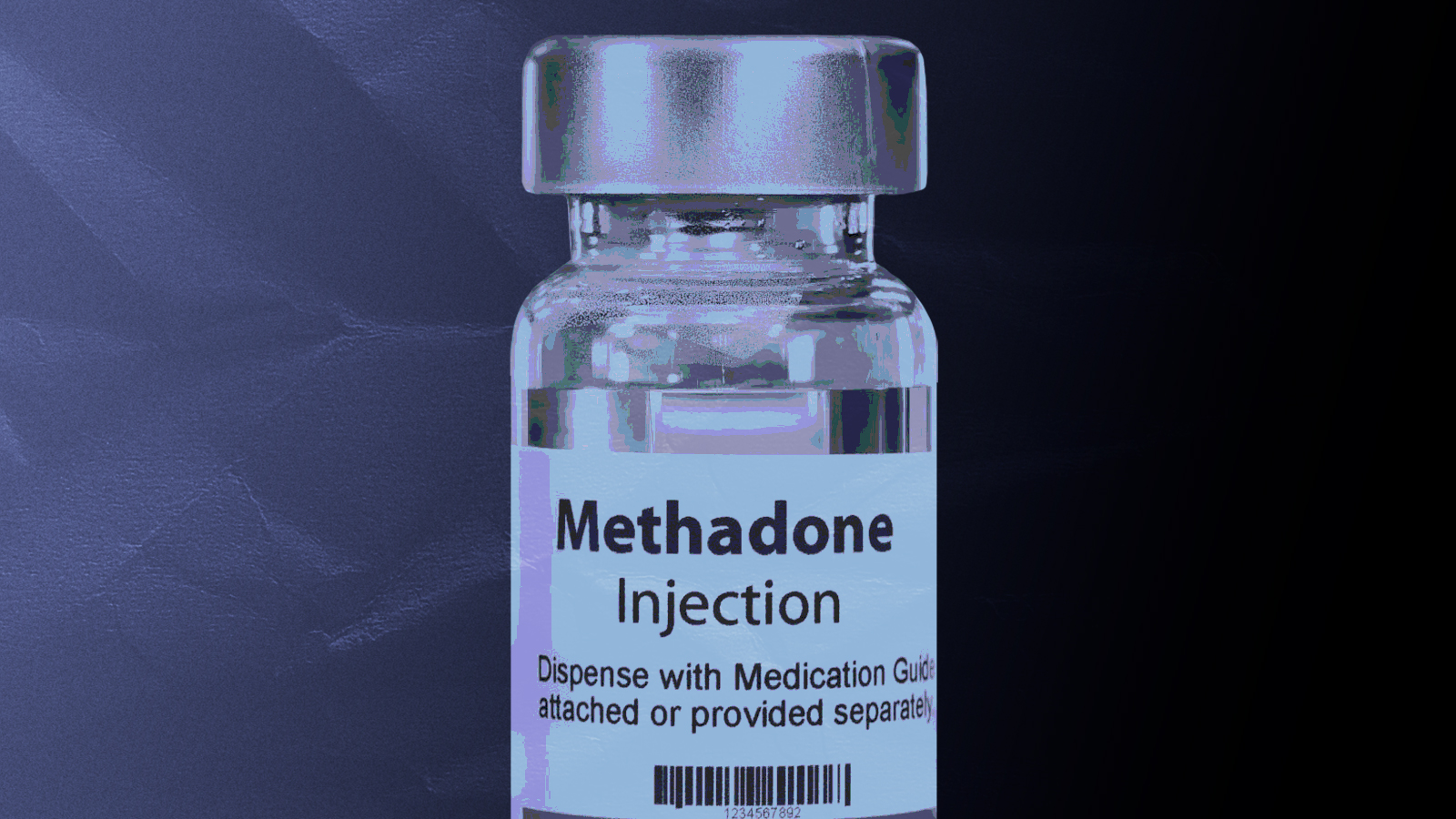
Naloxone (Narcan) can reverse an opioid overdose in minutes. Knowing how to give it safely could save the life of someone you love.
Opioid overdoses can slow or stop a person’s breathing, sometimes with fatal outcomes. Fortunately, naloxone can save lives. It's most often sold under the brand name Narcan®, and it works as an antidote that reverses an opioid overdose within minutes. Knowing how it works and how to administer it safely as a bystander is one of the most important skills you can have if you or someone you love uses opioids.
What to do if someone is overdosing
If you think someone is overdosing right now, do these five things in order. Do not wait to be sure it is opioids. Naloxone will not harm someone who has not taken opioids.
- Give naloxone (Narcan). If it is the nasal spray, tilt their head back, place the tip in one nostril, and press the plunger all the way down. If it is injectable, inject it into the outer thigh or upper arm, through clothing if needed.
- Call 911. Say you think someone is overdosing and give the address.
- Give rescue breaths or CPR if the person is not breathing or has no pulse, giving 1 breath every 5-6 seconds. Follow the 911 dispatcher's instructions.
- Stay with them. Turn them onto their side (the recovery position) so they do not choke if they vomit.
- Give another dose after 2 to 3 minutes if there is no response, and keep giving doses every 2 to 3 minutes until help arrives or they wake up. Do not leave them alone, because naloxone can wear off before the opioid does.
Full step-by-step instructions for each form of naloxone are below:
What is naloxone (Narcan)?
Naloxone is a safe and effective medication used to help counteract an overdose. The medication helps the person start breathing normally again in just 2 – 3 minutes. It attaches to opioid receptors in the body, ousting the opioid and blocking the drug’s effects on the brain.
Naloxone can combat the effects of any opioid, including fentanyl, morphine, heroin, and oxycodone. It does not work on other drugs. It isn’t harmful to use, however, so it’s safe to administer if you suspect someone is overdosing on opioids even if they are not.
If an individual is overdosing, naloxone must be administered by someone else. Emergency medical professionals, law enforcement, and non-emergency first responders carry and use it. If you or a loved one lives with opioid use disorder (OUD), it’s important to always have this life-saving medication around. You, other family members, and friends should all learn how to administer Narcan or any other brand of naloxone. Anyone can be trained to use it in just a few minutes, so ask your pharmacist or healthcare provider for assistance. The rules for how to get Narcan vary from state to state. Some offer it for free; others require a prescription.
Naloxone is used only in the event of an overdose, but it is not a long-term treatment for OUD or a replacement for medical intervention. This is because naloxone can wear off within 30 – 90 minutes, so the effects of the underlying opioid may long outlast it. That means the individual overdosing may again stop breathing and again be at risk of death. Always call for emergency assistance after giving the first dose as survivors should be taken to the Emergency Room for close monitoring.
How to know when to use naloxone
Naloxone only helps if it's given in time, so it's worth knowing the signs of an opioid overdose before you are ever in that situation. Call 911 if you notice:
- Slow, shallow, or stopped breathing
- Blue or gray lips, fingertips, or skin
- Very small, pinpoint pupils
- Choking, gurgling, or snoring sounds
- A limp body and no response to your voice or touch
If you are not certain it's an overdose, give naloxone anyway. It will not harm someone who does not have opioids in their system.
What are common administration routes for naloxone?
There are three naloxone administration routes:
- Injected into the muscle (intramuscularly, IM)
- Given through a vein (intravenously, IV)
- Administered in the nose (intranasally)
Family members and bystanders are often the most comfortable with the nasal spray because it’s the easiest to use without training. But both the packaged spray and injectable form are FDA-approved. When you first receive these medications, carefully read the product instructions. Never use an improvised nasal spray device that could release an incorrect dosage. Be sure to ask a pharmacist or healthcare provider if you have questions about the process or dosage.

How to administer Narcan nasal spray
The intranasal spray is a prefilled, prepackaged device. It is only for use in the nose. If the medicine comes into contact with the eyes or skin, rinse it off right away with clean water. Here are the steps for administering it:
- Take the nasal spray out of the box. Your thumb should rest on the bottom plunger, and your index and middle fingers each go on one side of the nozzle.
- Make sure the patient is on their back. Use your hand to support their neck and tilt their head back.
- Place the tip of the nozzle into the patient’s nostril. It should be deep enough that your index and middle fingers touch the bottom of their nose.
- Administer the full dose. Press down firmly on the plunger, then remove the device.
Gently turn the patient to their side (the recovery position) and call for emergency medical assistance. If they do not respond to the medication within 2 – 3 minutes, give them another dose. Use a new nasal spray in the other nostril.
How to administer a naloxone injectable
Injectable naloxone comes with a needle and a vial of medicine. It is typically administered directly into the muscle, but it can also go into a vein or under the skin. You should inject it into the patient’s upper arm or outer thigh. Here’s how to go the injectable route:
- Remove the cap from the vial and pull the plunger back to fill the syringe with air.
- Insert the needle through the rubber stopper, inject the air into the vial, then pull the plunger back to draw the medication into the syringe.
- Inject the needle straight into the muscle, through clothes if necessary.
- Push the plunger to completely empty the syringe.
Call for emergency medical help. If the patient does not respond to the medication in 2 – 3 minutes, inject another dose.
Get opioid addiction support
Narcan reverses an overdose at the moment, but it isn't a treatment for opioid use disorder. If you or someone you love keeps facing overdose risk, the most effective way to lower that risk long-term is medication for OUD, most often buprenorphine (Suboxone), paired with clinical support.
Ophelia is a telehealth clinic that provides Suboxone treatment for opioid use disorder, entirely online, from licensed clinicians. Most patients pay less than $10 a month with insurance, including Medicaid, and there's no in-person visit required.
Check your insurance coverage or schedule a free welcome call to see if Ophelia is a fit.
Frequently asked questions
What is the difference between Narcan and naloxone?
Narcan is the most widely used brand name for naloxone, the medication that reverses an opioid overdose. Naloxone is the generic drug, and Narcan is one FDA-approved version of it, sold as a ready-to-use nasal spray. Other brands and generic injectable forms exist, but they all contain naloxone and work the same way.
Narcan vs. CPR: which comes first?
Give naloxone right away, then call 911. If the person is not breathing or has no pulse, start rescue breathing or CPR while you wait for the naloxone to work and for help to arrive. Naloxone reverses the opioid, and rescue breathing keeps oxygen moving until it does. The two work together, so you do not have to choose.
How far apart do you give naloxone doses?
If there is no response within 2-3 minutes of the first dose, give a second one. With nasal spray, use a new device in the other nostril. You can keep giving doses every 2-3 minutes until the person responds or emergency help arrives.
Where does injectable naloxone go?
Injectable naloxone usually goes into a large muscle, most easily the outer thigh or upper arm, and you can inject through clothing if needed. It can also be given into a vein or under the skin, but the muscle (intramuscular) route is the simplest for a bystander to use.
Can naloxone hurt someone who has not taken opioids?
No. Naloxone only acts on opioids, so it will not harm someone who does not have opioids in their system. That is why it is safe to give whenever you suspect an opioid overdose, even if you are not certain. It will not reverse overdoses caused by alcohol or other non-opioid drugs.
Sources